Florida General Contractor #1504893
Mon – Fri: 9:00 – 5:00
(561) 710-6982
trenchless pipe lining

Why Slow Drains Are Often a Sign of a Bigger Plumbing Issue

Slow drains are one of the most common plumbing problems homeowners and business owners face. At first, they may seem like a small inconvenience, but in many cases, they are an early warning sign of a much bigger plumbing issue. Understanding the slow drains meaning can help you identify hidden plumbing problems early and avoid costly repairs and serious damage to your property.

At New Drain of Florida, we help homeowners and commercial properties in Delray Beach identify and fix plumbing problems before they get worse. In this article, we’ll explain the real causes behind slow drains, why they should not be ignored, and when it’s time to call a professional.

Understanding the Slow Drains Meaning

The slow drains meaning goes far beyond water taking a little longer to disappear. A slow drain often signals a blockage or problem somewhere in your plumbing system. While a small clog near the surface might be easy to fix, slow drainage can also point to deeper issues inside your pipes or sewer line.

When water cannot flow freely, pressure builds up, waste accumulates, and pipes become stressed. Over time, this can lead to leaks, backups, and expensive repairs. That’s why slow drains should always be taken seriously.

Common Causes of Slow Drains
sewer line collapse causes

Buildup of Grease, Soap, and Hair

One of the most common reasons for slow drains is everyday buildup. Grease from kitchen sinks, soap residue from bathrooms, and hair from showers slowly stick to pipe walls. Over time, these materials reduce the space inside the pipe, making it harder for water to flow.

This is often the first stage of recurring drain problems if not properly cleaned.

Multiple Slow Drains Causes a Bigger Concern

If only one drain is slow, the problem is usually local. But when you notice multiple slow drains, the cause is often much more serious.

Multiple slow drains causes usually include:

  • Main sewer line blockages
  • Tree root intrusion
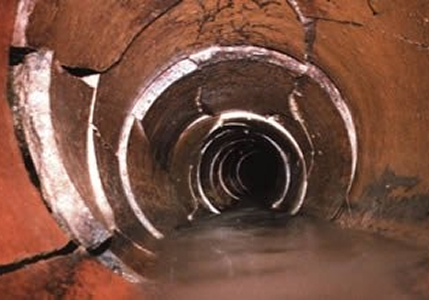
  • Pipe damage or collapse

This situation is a strong indicator of widespread drainage issues in homes and plumbing warning signs that should not be ignored.

Tree Roots in Sewer Lines

In Delray Beach, tree roots are a major cause of drain issues. Roots naturally seek moisture and can grow into small cracks in underground pipes. Once inside, they trap debris and block wastewater flow.

This type of damage cannot be fixed with store-bought drain cleaners and requires professional equipment.

Pipe Misalignment or Aging Pipes

Older homes and buildings may have pipes that have shifted, cracked, or corroded over time. Even a small misalignment can slow water flow and trap debris.

Understanding the slow drains meaning in older plumbing systems is critical, as ignoring it can result in pipe failure.

Why Slow Drains Should Never Be Ignored

Hidden Damage Can Get Worse

Slow drains often hide serious problems underground or inside walls. The longer you wait, the more damage can spread. What starts as slow drainage can turn into sewage backups or water damage.

These problems can affect flooring, walls, and even your home’s foundation.

Health and Hygiene Risks

Standing water caused by slow drains creates the perfect environment for bacteria, mold, and unpleasant odors. This can negatively impact indoor air quality and pose health risks to your family or customers.

Persistent odors are one of the most common plumbing warning signs of deeper issues.

Commercial Properties Face Higher Risks

For restaurants, offices, and other businesses, slow drains can disrupt daily operations. In commercial settings, drains handle higher volumes of waste, grease, and debris.

That’s why many businesses rely on commercial jetting Delray Beach services. High-pressure water jetting clears pipes completely, removing buildup and preventing recurring drain problems.

At New Drain of Florida, we offer professional jetting services designed to keep commercial plumbing systems running smoothly.

How Professional Drain Cleaning Solves the Problem

Professional drain cleaning does more than clear visible clogs. It removes hidden buildup and restores full pipe diameter.

Benefits of Professional Drain Services:

  • Prevents future blockages
  • Identifies early pipe damage
  • Improves water flow
  • Extends pipe lifespan

Understanding the slow drains meaning helps property owners realize when DIY methods are no longer enough.

Signs You Need Immediate Plumbing Help

Call a professional plumber if you notice:

  • Multiple drains slowing at once
  • Gurgling sounds from drains
  • Foul sewer odors
  • Water backing up into sinks or tubs
  • Frequent clogs returning

These are serious drainage issues in homes and plumbing warning signs that require expert attention.

Why Choose New Drain of Florida in Delray Beach

At New Drain of Florida, we specialize in diagnosing and fixing all types of drain issues. Our team understands the local plumbing systems in Delray Beach and uses advanced tools to provide long-lasting solutions.

We don’t just treat the symptoms, we fix the root cause.

The Long-Term Value of Early Action

Recognizing the slow drains meaning early can save you thousands of dollars. Early intervention prevents major repairs, protects your property, and keeps your plumbing system healthy.

Regular maintenance and professional inspections are the best way to avoid emergencies and maintain peace of mind.

Final Thoughts

Slow drains are never just a minor inconvenience. Understanding the slow drains meaning can help you recognize serious plumbing problems early. Whether you’re dealing with recurring clogs, multiple slow drains, or commercial plumbing issues, taking action now can save time, money, and stress.

If you’re in Delray Beach and need expert help, trust New Drain of Florida to keep your drains flowing smoothly.

Frequently Asked Questions

1What does a slow drain usually mean?

A slow drain usually means there is a blockage, buildup, or damage inside the pipe. It is often an early sign of a bigger plumbing issue.

Are slow drains an emergency?

Not always, but they should never be ignored. Slow drains can quickly turn into backups or pipe damage if left untreated.

Why are multiple drains slow at the same time?

This usually points to a main sewer line problem. Multiple slow drains causes often require professional inspection.

Can drain cleaners fix slow drains?

Chemical cleaners may provide temporary relief but can damage pipes over time. Professional cleaning is safer and more effective.

How often should drains be professionally cleaned?

For homes, see a professional every 1–2 years. Commercial properties may need regular commercial jetting Delray Beach services depending on usage.
Read more
trenchless pipe lining

How Tree Roots Damage Underground Plumbing Systems

Tree roots are a common but hidden cause of plumbing problems for homes and businesses in Delray Beach. Many property owners do not realize that trees planted years ago can slowly damage underground pipes, leading to tree root pipe damage that worsens over time. If left unnoticed, this gradual damage can result in serious plumbing issues, costly repairs, and unpleasant surprises.

At New Drain of Florida, we regularly help property owners deal with problems caused by roots invading underground pipes. In this article, we will explain how tree roots damage plumbing systems, the warning signs to watch for, and what you can do to protect your pipes.

Why Tree Roots Grow Toward Pipes

Tree roots naturally search for water and nutrients to survive. Underground plumbing pipes often carry water and organic material, making them very attractive to roots.

Even the smallest crack or loose joint in a pipe can release moisture into the surrounding soil. Roots sense this moisture and slowly grow toward it. Once they reach the pipe, they continue growing inside, causing tree root pipe damage that gets worse over time.

How Tree Roots Enter Underground Pipes

Roots usually do not break solid pipes on their own. Instead, they take advantage of weak spots such as:

  • Small cracks caused by aging pipes
  • Loose pipe joints
  • Shifting soil around the pipe
  • Older clay or concrete sewer lines

Once inside, roots spread quickly and create blockages. This is one of the most common causes of roots in sewer pipes throughout older neighborhoods in Delray Beach.

Types of Plumbing Damage Caused by Tree Roots

pipe video inspection

Blocked Drainage

As roots grow inside pipes, they trap grease, toilet paper, and waste. This slows water flow and eventually causes backups. Many cases of underground pipe blockages and root intrusion plumbing start as slow drains and end in full sewer backups.

Cracked or Broken Pipes

As roots thicken, they apply pressure from inside the pipe. Over time, this pressure can crack or collapse the pipe, leading to severe tree root pipe damage that requires immediate repair.

Sewage Backups

When roots fully block a sewer line, wastewater has nowhere to go. This can cause sewage to back up into sinks, tubs, or toilets, creating health risks and unpleasant odors.

Water Leaks Underground

Damaged pipes may leak water into the soil. These leaks are hard to detect but can cause higher water bills, soil erosion, and foundation problems.

Signs You May Have Tree Root Damage

Knowing the warning signs can help prevent costly repairs. Look out for:

  • Slow drains throughout the home
  • Gurgling sounds from toilets or sinks
  • Frequent clogs that keep coming back
  • Sewage smells in your yard or home
  • Extra-green or wet patches in your lawn

If you notice these signs, it may be time to call New Drain of Florida for a professional inspection in Delray Beach.

Landscaping and Plumbing Issues Go Hand in Hand

Many homeowners focus on landscaping without thinking about plumbing. However, landscaping and plumbing issues are closely connected. Planting large trees too close to sewer lines increases the risk of root damage.

Some tree species have aggressive root systems that spread far underground. Without proper planning, these roots can reach pipes even if the tree is planted several feet away.

Why Tree Root Pipe Damage Is Common in Delray Beach

Delray Beach has older neighborhoods with aging sewer systems. Many homes still use clay or concrete pipes, which are more vulnerable to root intrusion. Combined with Florida’s warm climate and fast-growing vegetation, tree root pipe damage is a frequent issue.

This is why professional sewer system repair Delray Beach services are so important for long-term protection.

How Professionals Detect Root Damage

At New Drain of Florida, we use modern tools to locate root problems accurately:

  • Video camera inspections to see inside pipes
  • Drain testing to check water flow
  • Pipe locating equipment to find damaged sections

This allows us to fix the problem without unnecessary digging.

Solutions for Root-Damaged Pipes

Root Removal

Mechanical root cutting tools can remove roots from inside pipes. This is often used as a short-term solution.

Pipe Repair or Replacement

For severe tree root pipe damage, damaged sections may need to be repaired or replaced. Modern trenchless methods can fix pipes with minimal disruption.

Preventive Treatments

Root-resistant liners and regular maintenance can help prevent roots from returning.

How to Prevent Tree Root Damage

Prevention is always better than repair. Here are some simple tips:

  • Plant trees far away from sewer and water lines
  • Choose slow-growing or non-invasive tree species
  • Schedule regular drain inspections
  • Address small clogs early before they worsen

These steps can reduce the risk of underground pipe blockages and root intrusion plumbing.

Why Choose New Drain of Florida

At New Drain of Florida, we understand the local plumbing challenges in Delray Beach. Our experienced team specializes in diagnosing and fixing problems caused by roots in sewer pipes and other underground issues.

We offer reliable, affordable, and long-lasting solutions tailored to your property.

Final Thoughts

Tree roots may seem harmless, but underground they can cause serious plumbing problems. Understanding how roots damage pipes and taking preventive steps can save you time, money, and stress.

If you suspect root damage or need expert sewer system repair Delray Beach, contact New Drain of Florida today. Our team is ready to protect your plumbing and keep your system running smoothly.

Frequently Asked Questions

Can tree roots really break underground pipes?

Yes. While roots usually enter through small cracks or joints, they continue growing and can eventually crack or collapse pipes, causing serious tree root pipe damage.

How do I know if roots are in my sewer pipes?

Common signs include slow drains, recurring clogs, sewage smells, and backups. A camera inspection is the best way to confirm roots in sewer pipes.

Are older homes more at risk?

Yes. Older homes often have clay or concrete pipes, which are more vulnerable to root intrusion compared to modern PVC pipes.

Can tree root damage be fixed without digging?

In many cases, yes. Trenchless repair methods allow professionals to repair pipes with minimal disruption to landscaping.

How often should I have my sewer line inspected?

For homes with trees nearby, an inspection every 1–2 years is recommended, especially in Delray Beach where root growth is fast.

Read more
pipe video inspection

What Causes Sewer Lines to Collapse in Older Florida Homes?

Sewer line problems are one of the most serious plumbing issues a homeowner can face. In many older Florida homes, sewer line collapse is more common than people realize. These underground pipes carry wastewater away from your home, and when they fail, the damage can be costly, messy, and disruptive. At New Drain of Florida, we often help homeowners understand why these problems happen and how they can be prevented. In this article, we’ll explain the sewer line collapse causes, especially in older homes across Florida, using clear and simple language that anyone can understand.

Understanding Sewer Lines in Older Florida Homes

Many homes in Florida were built decades ago, long before modern plumbing materials were available. Back then, sewer lines were often made from materials that do not hold up well over time.

Common materials used in older sewer systems include:

  • Clay pipes
  • Cast iron pipes
  • Orangeburg (tar paper) pipes

These materials slowly break down due to age, moisture, soil conditions, and daily use. As a result, aging sewer pipes Florida homeowners rely on are more likely to collapse today.

Main Sewer Line Collapse Causes in Florida

sewer line collapse causes

Understanding the most common sewer line collapse causes can help homeowners spot warning signs early and avoid major repairs.

Aging and Worn-Out Pipes

One of the biggest sewer line collapse causes is simple age. Most sewer pipes are not designed to last forever. Cast iron pipes, for example, usually last 50 to 75 years. Many Florida homes have pipes that are well beyond that range.

As pipes age, they:

  • Become thin and weak
  • Crack under pressure
  • Break apart underground

This is especially common in aging sewer pipes Florida neighborhoods with older homes.

Pipe Corrosion in Coastal Areas

Florida’s coastal environment plays a major role in sewer problems. Salt air, high humidity, and moisture in the soil speed up corrosion.

Pipe corrosion in coastal areas causes metal pipes to:

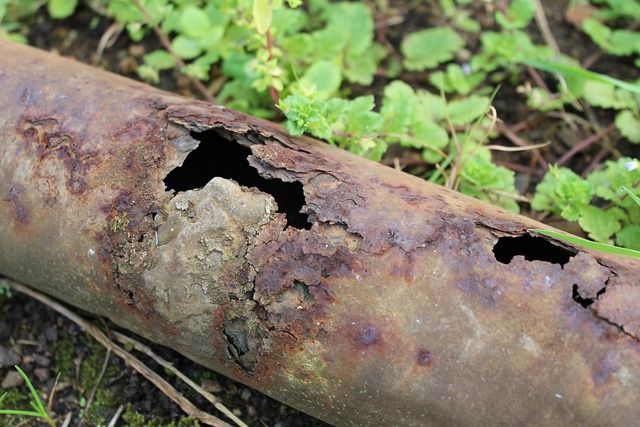
  • Rust from the inside
  • Develop holes and cracks
  • Collapse under soil pressure

Homes near the ocean or in areas with high water tables are especially at risk. This is one of the most overlooked sewer line collapse causes in Florida.

Shifting Soil and Ground Movement

Florida soil is sandy and loose. Over time, soil can shift due to:

  • Heavy rain
  • Flooding
  • Hurricanes
  • Sinkholes

When the ground moves, it puts pressure on sewer pipes. Older pipes are brittle and cannot flex, so they crack or collapse. This issue contributes to many common sewer pipe failures seen across the state.

Tree Root Invasion

Tree roots are naturally drawn to moisture. Sewer pipes often contain small leaks, which attract roots searching for water.

Roots can:

  • Enter tiny cracks in pipes
  • Grow larger inside the line
  • Block or break the pipe

Eventually, the pressure from growing roots can lead to a full sewer line collapse. This is one of the most frequent sewer line collapse causes we see at New Drain of Florida.

Poor Installation or Outdated Plumbing Standards

Many older sewer systems were installed using outdated methods. Some pipes were not properly supported, sloped, or sealed.

Over time, these installation flaws lead to:

  • Sagging pipes
  • Misaligned joints
  • Increased stress on weak areas

These problems often result in Florida plumbing problems that homeowners don’t notice until the damage is severe.

Warning Signs of a Collapsing Sewer Line

Knowing the signs of sewer trouble can help you act before a complete collapse happens.

Look out for:

  • Slow drains throughout the home
  • Frequent sewage backups
  • Foul odors from drains or yard
  • Wet or sunken areas in your yard
  • Gurgling sounds from toilets

If you notice any of these signs, it’s time to call a professional.

How Sewer Pipe Video Inspection Helps

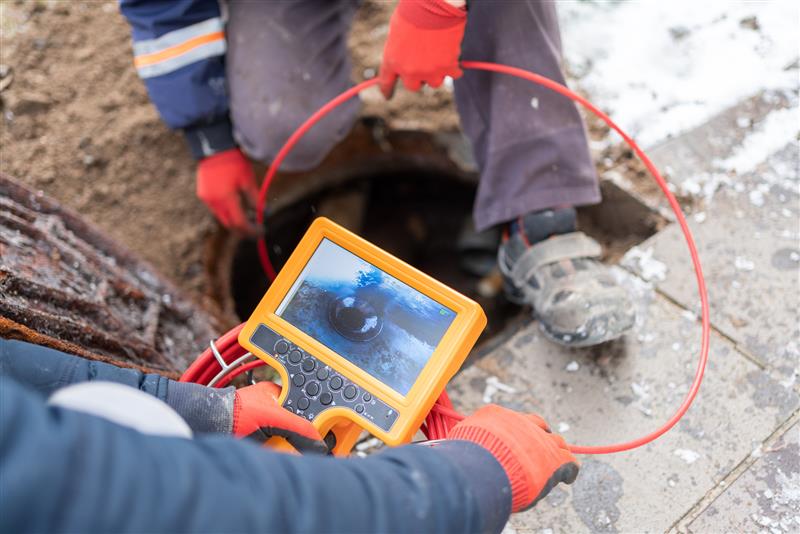
One of the best ways to detect sewer problems early is with a sewer pipe video inspection Delray Beach homeowners often request.

This inspection involves:

  • Inserting a small camera into the sewer line
  • Viewing cracks, corrosion, roots, or collapses
  • Identifying the exact location of damage

At New Drain of Florida, we use video inspections to diagnose problems accurately and recommend the best solution without unnecessary digging.

Preventing Sewer Line Collapse in Florida Homes

While not all sewer issues can be prevented, homeowners can reduce the risk by taking proactive steps.

Tips to Protect Your Sewer Line:

  • Schedule regular sewer inspections
  • Avoid planting trees near sewer lines
  • Do not flush grease, wipes, or debris
  • Address small plumbing issues quickly
  • Upgrade old pipes when possible

Preventive care can significantly reduce the risk of common sewer pipe failures and costly repairs.

Why Choose New Drain of Florida?

New Drain of Florida is proud to serve homeowners throughout Florida with honest, reliable sewer and drain services. We understand local soil conditions, climate challenges, and the unique plumbing issues older Florida homes face.

Our team specializes in:

  • Sewer inspections
  • Sewer line repair and replacement
  • Trenchless solutions
  • Diagnosing Florida plumbing problems

We focus on long-term solutions, not temporary fixes.

Final Thoughts

Sewer line collapse is a serious issue, especially in older Florida homes. Understanding the sewer line collapse causes helps homeowners take action before small problems turn into major disasters. From aging pipes to soil movement and corrosion, Florida’s environment presents unique challenges for underground plumbing.

If you suspect sewer trouble or want peace of mind, contact New Drain of Florida for professional inspection and reliable solutions. Early action can protect your home, your health, and your budget.

Frequently Asked Questions

What are the most common sewer line collapse causes in Florida?

The most common causes include aging pipes, pipe corrosion in coastal areas, shifting soil, tree root intrusion, and poor installation practices.

How old are sewer pipes in most Florida homes?

Many Florida homes built before the 1980s still have original sewer lines. These aging sewer pipes Florida homeowners rely on may be near or past their expected lifespan.

How can I tell if my sewer line is collapsing?

Warning signs include slow drains, frequent backups, sewage smells, wet patches in the yard, and gurgling sounds in plumbing fixtures.

Is a sewer pipe video inspection worth it?

Yes. A sewer pipe video inspection Delray Beach residents trust can detect problems early, saving time, money, and unnecessary excavation.

Can sewer line collapse be prevented?

While not always preventable, regular inspections, proper maintenance, and timely repairs can greatly reduce the risk of sewer line failure.

Read more

Why Documentation Matters in Trenchless Pipe Lining Projects

Trenchless pipe lining is often marketed as a “set it and forget it” solution—but professionals know better. Documentation is what turns a trenchless repair into a defensible one.

Without records, homeowners are left trusting that everything was done correctly. With documentation, they have proof.

What Proper Documentation Should Include

A reputable pipe lining project should generate:

  • Pre-inspection camera footage

  • Cleaning and preparation confirmation

  • Installation and curing details

  • Post-installation verification video

  • Clear warranty terms and maintenance guidance

This isn’t paperwork for the sake of paperwork. It’s a quality control system.

The Risk of Undocumented Repairs

Many trenchless failures aren’t obvious right away. Issues can emerge years later, long after warranties expire. Without documentation:

  • It’s difficult to determine what was done

  • Future repairs become more complex

  • Accountability is unclear

That’s why experienced contractors treat documentation as part of the repair—not an add-on.

What This Says About the Company You Hire

Companies that document their work tend to:

  • Follow inspection-first standards

  • Apply stricter eligibility criteria

  • Take a long-term view of system performance

Those practices are core to choosing the right trenchless professional, and they’re explained in detail here:
Pipe Lining Companies Near Me: How to Choose the Right One

Read more
trenachless pipe lining company

Pipe Lining vs Pipe Bursting vs Replacement — How Professionals Decide

Homeowners often ask, “Which trenchless method is best?”
The real answer is more nuanced: the right repair depends on pipe condition—not convenience.

Professional contractors don’t choose methods based on preference. They choose based on structural integrity, access, and long-term risk.

When Pipe Lining Makes Sense

Trenchless pipe lining (CIPP) works best when:

  • The pipe is structurally intact

  • Damage is limited to cracks, corrosion, or root intrusion

  • The interior can be fully cleaned and restored

  • Slope and alignment are acceptable

In these cases, lining restores function without excavation.

When Pipe Bursting Is the Better Option

Pipe bursting replaces the old pipe by breaking it outward and pulling in a new one. It’s typically considered when:

  • Pipes are severely damaged but still continuous

  • Lining would not provide enough structural reliability

  • Access and surrounding conditions allow controlled expansion

However, pipe bursting isn’t always appropriate near fragile foundations or tight utility corridors.

When Replacement Is the Safest Choice

Excavation and replacement are often unavoidable when:

  • Pipes have collapsed or separated

  • Sections are missing or crushed

  • Severe slope issues exist

  • Access limitations prevent safe trenchless work

While more disruptive, replacement may be the lowest-risk long-term solution in heavily compromised systems.

Why This Comparison Matters

Many companies promote a single method. Experienced professionals evaluate all options and explain why one makes more sense than another.

That balanced approach is a major trust signal—and one of the key points covered in our in-depth guide:
Pipe Lining Companies Near Me: How to Choose the Right One

Read more
Sewer Pipe Video Inspection

How Camera Inspections Determine Whether Pipe Lining Will Actually Work

One of the biggest misconceptions about trenchless pipe lining is that it’s a decision you make before inspecting the pipe. In reality, camera inspections are what determine whether pipe lining will succeed—or fail.

A professional sewer camera inspection isn’t just about finding a crack. It evaluates the entire internal condition of the pipe, from material type and diameter to alignment, corrosion patterns, and standing water. Without this step, any recommendation is guesswork.

What a Proper Camera Inspection Reveals

A legitimate inspection documents:

  • Pipe material (cast iron, clay, PVC, etc.)

  • Internal diameter and shape

  • Cracks, corrosion, and channeling

  • Root intrusion and joint failures

  • Offsets, deformation, or bellies (standing water)

These details directly impact whether a pipe can safely support a liner. For example, pipe lining cannot correct slope issues, and severely collapsed or misaligned sections often require a different repair method altogether.

Why This Step Is Non-Negotiable

Skipping inspection is one of the most common reasons trenchless pipe lining fails. A liner installed in an unqualified pipe may look fine initially—but problems can resurface months or years later.

That’s why experienced professionals insist on:

  • A full-length inspection

  • Documentation before and after cleaning

  • Post-installation verification once the lining is complete

If a company recommends lining without showing you inspection footage, that’s a red flag.

How This Connects to Choosing the Right Company

If you’re comparing pipe lining companies near you, inspection practices are one of the clearest indicators of expertise. The best companies don’t sell solutions first—they prove whether those solutions make sense.

For a deeper breakdown of how inspections, eligibility, and verification protect homeowners, read our full guide:
Pipe Lining Companies Near Me: How to Choose the Right One

Read more
trenchless sewer repair and pipe lining

Trenchless Sewer Repair Cost: Real Pricing, Factors & Expert Insights

Introduction

If you’ve been researching trenchless sewer repair, you’ve probably noticed something frustrating almost immediately: the price ranges are all over the place. That isn’t because contractors are being vague. It’s because trenchless sewer repair cost is driven far less by averages and far more by what’s actually happening inside your pipe—something only a camera inspection can reveal.

That uncertainty is exactly why many homeowners and property managers feel stuck. One article says trenchless sewer line repair is “cheaper than digging.” Another lists a per-foot price with no explanation. Very few explain why those numbers change—or what they actually include. And that missing context is usually what leads to bad decisions.

This guide is designed to close that gap. It explains not only typical cost ranges, but also how professionals evaluate pipes, choose between pipe lining and pipe bursting, and build legitimate estimates. You’ll see where the numbers come from, what affects them, and when trenchless methods make sense—or don’t.

By the end, you’ll know how to read estimates with confidence, avoid common pitfalls, and understand what a fair trenchless sewer repair cost actually reflects.

How Much Does Trenchless Sewer Repair Cost?

Quick answer: most residential trenchless sewer repair projects fall somewhere between the mid-four figures and low five figures [VERIFY]. Per-linear-foot pricing commonly ranges from about $80 to $250 per foot, depending on the method and scope [VERIFY].

That’s a wide range—and it’s normal. Trenchless sewer repair isn’t priced like surface-level work. Underground conditions vary dramatically, even between neighboring homes. A 40-foot sewer line with minor cracking can be far less expensive to repair than a shorter line with heavy root intrusion or structural deformation.

Another detail many cost articles overlook is what’s included. A legitimate trenchless estimate often covers more than the liner or replacement pipe itself. Camera inspection, pipe cleaning or descaling, reopening branch connections (called reinstatements), permits, and post-repair verification can all affect the total cost [VERIFY].

There’s also a practical safety consideration. Open trench excavation carries known risks, which is one reason trenchless methods are often preferred when conditions allow [VERIFY]. Reducing the need for large open trenches isn’t just about convenience—it’s about minimizing exposure to hazards.

Why this matters:
When two estimates look very different, it doesn’t automatically mean someone is overcharging. More often, it means they’re pricing different scopes of work.

What Trenchless Sewer Repair Actually Means (And What It Doesn’t)

At its core, trenchless sewer repair means fixing or replacing a sewer line without continuous open-trench excavation. Instead of digging up the entire yard, technicians access the pipe through existing cleanouts or small entry points and complete the repair from inside the line.

The two most common trenchless methods are pipe lining (CIPP) and pipe bursting. Pipe lining creates a new pipe within the existing one by curing a resin-saturated liner in place. Pipe bursting replaces the pipe entirely by fracturing the old pipe while pulling a new one through its path [VERIFY].

What trenchless does not mean is “no digging at all” or “right for every pipe.” Some excavation may still be required to create access points. Certain conditions—such as fully collapsed pipes, severe back-pitch, or unknown tie-ins—can also rule out some trenchless options.

That distinction matters. If trenchless is presented as a guaranteed solution, that’s a warning sign. Reliable recommendations start with inspection, qualification, and a clear explanation of limitations.

Trenchless Sewer Repair Cost by Method

Pipe Lining (CIPP)

Typical range: often on the lower end of trenchless options when the pipe is structurally sound [VERIFY].

Pipe lining, also known as cured-in-place pipe (CIPP), is commonly used when the existing pipe still holds its shape but has cracks, corrosion, or root intrusion. Before lining, the pipe usually needs thorough cleaning so the liner can bond and cure properly. That preparation step directly affects both cost and long-term performance.

Pipes with multiple bends or several branch connections take more time to line correctly. Each connection must be reopened after curing, and that labor adds to the total cost. This is one reason per-foot pricing alone can be misleading.

Pipe Bursting

Typical range: often higher upfront than lining [VERIFY].

Pipe bursting is typically used when the original pipe is too damaged, undersized, or deformed to be reliably lined. Because it replaces the pipe entirely, it requires more setup and access considerations. While the initial cost can be higher, it may provide a more durable long-term solution in the right scenario.

Spot or Sectional Repairs

Spot repairs address isolated sections of damage. They can be effective when problems are truly localized, but they don’t restore the condition of the entire sewer line. That tradeoff should be discussed clearly before choosing this option.

Why this matters:
If two contractors recommend different methods, their prices will differ. That doesn’t mean one is wrong—it means they’re solving different problems.

The Real Cost Drivers Most Articles Don’t Explain

Most cost guides focus on pipe length and depth. Those factors matter, but they rarely explain large price differences. The biggest cost drivers are usually related to complexity inside the pipe.

One major factor is the number and condition of branch connections. Every bathroom, kitchen, or laundry line tied into the sewer must be reopened after lining. A straight pipe with one connection is very different from a pipe with multiple offsets and tie-ins [VERIFY].

Pipe geometry also plays a role. Bends, dips, and slight misalignments affect installation speed, liner calibration, and curing consistency. In such situations, additional verification is often required to mitigate the risk of failure, which can add time and cost.

This is where many low estimates fall apart later. They don’t account for complexity upfront.

Why Per-Foot Pricing Can Be Misleading

Per-linear-foot pricing is useful for ballpark estimates. It’s a poor tool for decision-making.

Professionals typically think in terms of scope, not footage. A more accurate way to understand pricing is the Inspection-to-Scope Framework:

  1. Inspect the pipe with a camera
  2. Determine which trenchless methods the pipe qualifies for
  3. Define the full scope (cleaning, access points, reinstatements, permits)
  4. Select materials and methods based on conditions
  5. Price the system, not just the length

Two sewer lines of equal length can cost very different amounts to repair trenchlessly—and that’s expected.

When Trenchless Sewer Repair Is Not the Right Choice

Trenchless methods are not universal solutions. Fully collapsed pipes, severe back-pitch, or unknown tie-ins can make trenchless repair unreliable unless the scope changes. In some cases, limited excavation is the safer or more effective option.

Verification matters as well. Reputable trenchless work includes post-repair camera inspection to confirm curing, alignment, and connection quality [VERIFY]. Skipping that step reduces cost—but also accountability.

Knowing when trenchless doesn’t work is often a sign of experience, not limitation.

The Failure Cost Curve: A Smarter Way to Evaluate Price

Most people compare estimates based on today’s price. Professionals often think in terms of failure risk over time.

The Failure Cost Curve connects three variables:

  • Pipe condition at the time of repair
  • Method selected
  • Cost of failure if the repair underperforms

The cheapest repair today often sits on the steepest part of the curve. For example, lining a severely deformed pipe may reduce upfront cost but increase the risk of premature failure. When that failure occurs, the second repair is almost always more expensive [VERIFY].

The better question isn’t “Which quote is cheaper?”
It’s “Which option reduces failure risk over the next 10–20 years?”

From Repair to Infrastructure Preservation

Trenchless sewer repair is increasingly viewed as infrastructure preservation, not just a quick fix. Instead of addressing a single defect, modern trenchless methods are often used to extend the functional life of an entire sewer system [VERIFY].

This shift affects pricing. Inspection quality, documentation, material selection, and verification are becoming part of the value—not optional add-ons. Estimates that include these steps may be higher, but they’re often designed for long-term performance rather than short-term relief.

Conclusion

Understanding trenchless sewer repair cost isn’t about memorizing price ranges. It’s about seeing how inspection, method selection, and long-term performance fit together.

Inspection determines eligibility. Eligibility determines the method. The method determines both cost and risk. That’s why per-linear-foot pricing alone is never the full story, and why two estimates can differ significantly while both remain legitimate.

Pipe lining, pipe bursting, and spot repairs each serve different purposes. The right choice depends on pipe condition, access, geometry, and verification—not marketing claims. A professional camera inspection, a clearly defined scope, and an estimate that explains why a method was chosen are far more important than chasing the lowest number.

Your sewer line may be out of sight, but it shouldn’t be out of mind. The right trenchless sewer repair cost is the one grounded in accurate diagnosis, realistic expectations, and long-term reliability. When you evaluate options through that lens, you’re no longer reacting to numbers—you’re making an informed decision with confidence.


Get a Real Trenchless Sewer Repair Cost—Not a Guess

Every sewer line is different. The only way to determine the right trenchless solution—and its true cost—is with a professional camera inspection.

New Drain of Florida specializes exclusively in trenchless sewer repair throughout South Florida. Call 1 (888) 485-1931 or visit https://newdrainfl.com to schedule an inspection and get clear, inspection-based pricing.

Read more