
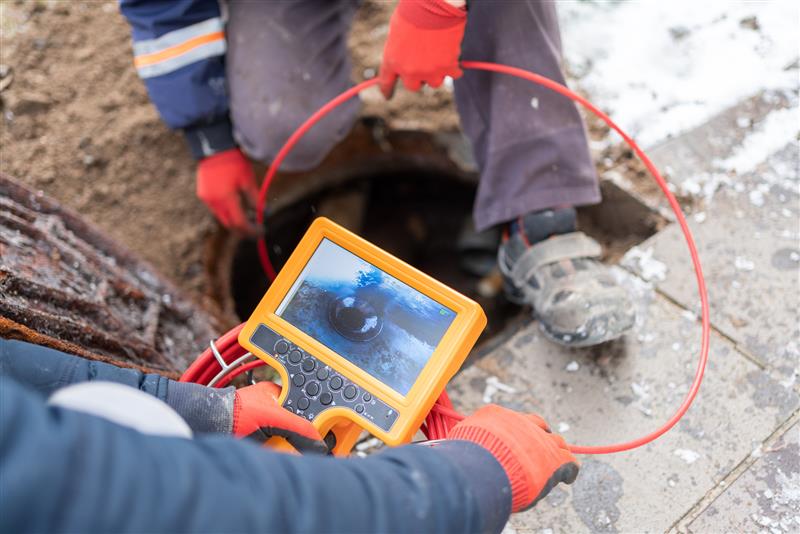
One of the biggest misconceptions about trenchless pipe lining is that it’s a decision you make before inspecting the pipe. In reality, camera inspections are what determine whether pipe lining will succeed—or fail.
A professional sewer camera inspection isn’t just about finding a crack. It evaluates the entire internal condition of the pipe, from material type and diameter to alignment, corrosion patterns, and standing water. Without this step, any recommendation is guesswork.
What a Proper Camera Inspection Reveals
A legitimate inspection documents:
-
Pipe material (cast iron, clay, PVC, etc.)
-
Internal diameter and shape
-
Cracks, corrosion, and channeling
-
Root intrusion and joint failures
-
Offsets, deformation, or bellies (standing water)
These details directly impact whether a pipe can safely support a liner. For example, pipe lining cannot correct slope issues, and severely collapsed or misaligned sections often require a different repair method altogether.
Why This Step Is Non-Negotiable
Skipping inspection is one of the most common reasons trenchless pipe lining fails. A liner installed in an unqualified pipe may look fine initially—but problems can resurface months or years later.
That’s why experienced professionals insist on:
-
A full-length inspection
-
Documentation before and after cleaning
-
Post-installation verification once the lining is complete
If a company recommends lining without showing you inspection footage, that’s a red flag.
How This Connects to Choosing the Right Company
If you’re comparing pipe lining companies near you, inspection practices are one of the clearest indicators of expertise. The best companies don’t sell solutions first—they prove whether those solutions make sense.
For a deeper breakdown of how inspections, eligibility, and verification protect homeowners, read our full guide:
Pipe Lining Companies Near Me: How to Choose the Right One