
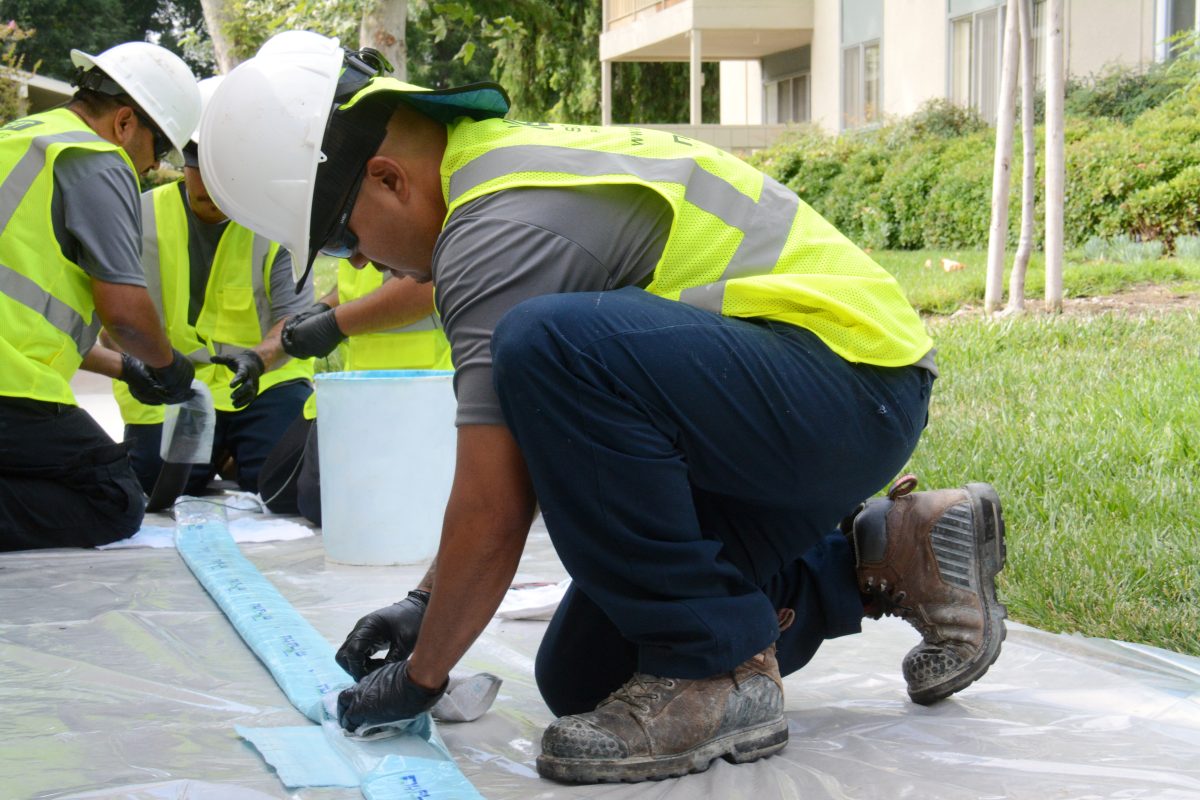
Homeowners often ask, “Which trenchless method is best?”
The real answer is more nuanced: the right repair depends on pipe condition—not convenience.
Professional contractors don’t choose methods based on preference. They choose based on structural integrity, access, and long-term risk.
When Pipe Lining Makes Sense
Trenchless pipe lining (CIPP) works best when:
-
The pipe is structurally intact
-
Damage is limited to cracks, corrosion, or root intrusion
-
The interior can be fully cleaned and restored
-
Slope and alignment are acceptable
In these cases, lining restores function without excavation.
When Pipe Bursting Is the Better Option
Pipe bursting replaces the old pipe by breaking it outward and pulling in a new one. It’s typically considered when:
-
Pipes are severely damaged but still continuous
-
Lining would not provide enough structural reliability
-
Access and surrounding conditions allow controlled expansion
However, pipe bursting isn’t always appropriate near fragile foundations or tight utility corridors.
When Replacement Is the Safest Choice
Excavation and replacement are often unavoidable when:
-
Pipes have collapsed or separated
-
Sections are missing or crushed
-
Severe slope issues exist
-
Access limitations prevent safe trenchless work
While more disruptive, replacement may be the lowest-risk long-term solution in heavily compromised systems.
Why This Comparison Matters
Many companies promote a single method. Experienced professionals evaluate all options and explain why one makes more sense than another.
That balanced approach is a major trust signal—and one of the key points covered in our in-depth guide:
Pipe Lining Companies Near Me: How to Choose the Right One