
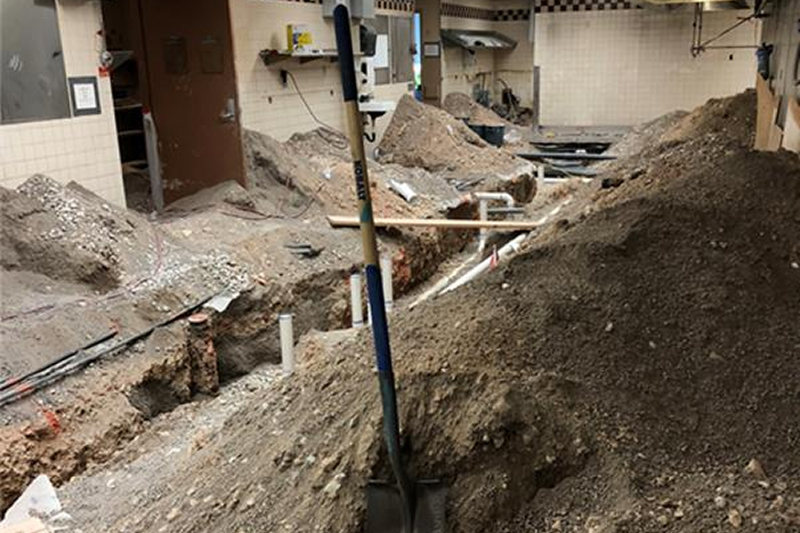
When your sewer line gets damaged, it can quickly become a serious and stressful problem. Bad smells, slow drains, or even sewage backups can disrupt your home or business. In such situations, choosing the right repair method is very important. Two main options are available today: Trenchless Sewer Repair vs Traditional excavation methods. Each has its own benefits, limitations, and ideal use cases. In this article, we’ll explain both methods in simple language so you can decide what works best for your property in Boynton Beach. At New Drain of Florida, we help homeowners and businesses choose the most reliable and cost-effective sewer repair solutions using modern and proven techniques.
What Is Sewer Line Repair?
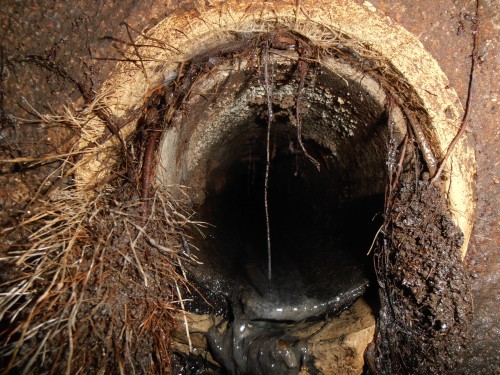
Sewer line repair is the process of fixing damaged underground pipes that carry wastewater away from your home or building. Over time, pipes can crack, collapse, clog, or get invaded by tree roots. Depending on the damage, professionals use different sewer line repair methods comparison to restore proper flow.
The two most common approaches are:
- Traditional “dig and replace” method
- Trenchless sewer repair methods
Traditional Sewer Repair (Dig and Replace)
Traditional sewer repair, also called trench vs dig and replace sewer, is the older method used for decades.
How It Works
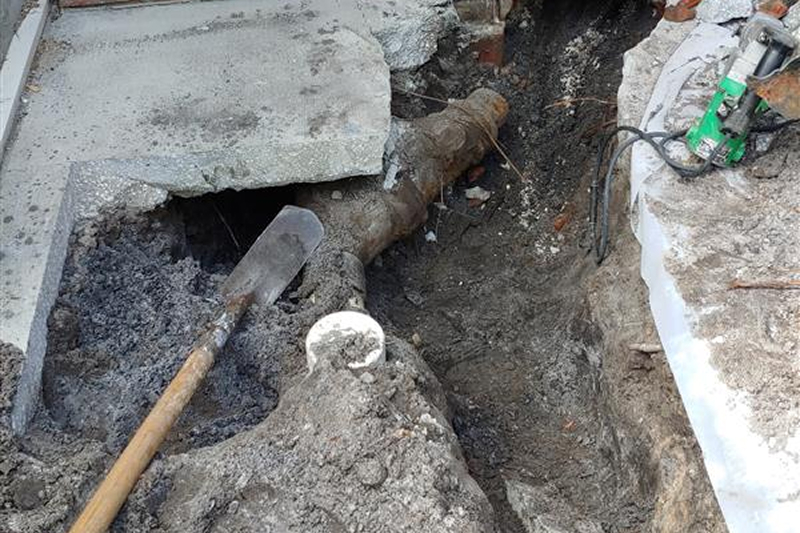
- A large trench is dug over the damaged pipe.
- The broken sewer line is exposed.
- The damaged section is removed and replaced.
- The ground is filled back and restored.
Advantages
- Works for severely collapsed pipes
- Suitable for all types of pipe materials
- Easy to inspect and replace entire sections
Disadvantages
- Requires heavy digging and excavation
- Damages landscaping, driveways, or flooring
- Longer repair time
- Higher restoration costs
For many homeowners, traditional repair can feel disruptive, especially in landscaped or paved areas.
What Is Trenchless Sewer Repair?
Trenchless sewer repair is a modern method that fixes underground pipes without digging large trenches. It is one of the most popular modern sewer repair techniques today.
Instead of digging, plumbers use special equipment to repair or replace pipes through small access points.
Common Trenchless Methods
Pipe Relining (Cured-In-Place Pipe – CIPP)
One of the most widely used methods is pipe relining / cured-in-place pipe (CIPP).
- A flexible resin-coated liner is inserted into the damaged pipe
- The liner is inflated and hardened
- It forms a new pipe inside the old one
This creates a strong, seamless pipe without full excavation.
Pipe Bursting Sewer Repair
Another method is pipe bursting sewer repair.
- A bursting head is pulled through the old pipe
- It breaks the old pipe apart
- A new pipe is installed in its place
This method is useful when the pipe is too damaged for relining.
Trenchless Sewer Repair vs Traditional Repair
Let’s compare both methods clearly so you can understand which is better.
Damage to Property
- Traditional: Heavy digging damages yard, driveway, and landscaping
- Trenchless: Minimal surface disruption
Time Required
- Traditional: Can take several days
- Trenchless: Usually completed in 1–2 days
Cost Factor
- Traditional: Lower repair cost but higher restoration cost
- Trenchless: Slightly higher upfront but saves on repairs later
Durability
- Traditional: New pipe sections last long but joints may weaken
- Trenchless: Seamless pipe lining reduces leaks and root intrusion
Convenience
- Traditional: Messy and disruptive
- Trenchless: Clean, fast, and less invasive
Sewer Replacement vs Repair Options
Not every damaged pipe needs full replacement. Sometimes repair is enough.
When Repair Works Best
- Minor cracks
- Small leaks
- Partial blockages
When Replacement Is Needed
- Collapsed sewer lines
- Severe root intrusion
- Old deteriorated pipes
A professional inspection from licensed plumbing sewer repair services helps determine the right option.
Damaged Underground Pipe Repair: Which One to Choose?
For damaged underground pipe repair, the decision depends on:
- Pipe condition
- Location of damage
- Budget
- Property structure
In many cases, trenchless methods are preferred because they are less disruptive and more efficient. However, traditional excavation may still be necessary in extreme cases.
Emergency Sewer Line Repair Services
Sewer problems often happen unexpectedly. That’s why emergency sewer line repair services are important.
Signs you need urgent help:
- Sewage backup in toilets or drains
- Strong sewage smell in home or yard
- Slow drainage throughout the house
- Gurgling sounds in pipes
Quick response can prevent major property damage.
Residential and Commercial Sewer Repair Solutions
Residential Sewer Repair Contractors
For homeowners in Boynton Beach, residential services focus on:
- Small to medium pipe repairs
- Yard-friendly solutions
- Fast and affordable fixes
Commercial Sewer Line Repair Solutions
Commercial properties need stronger systems:
- Large diameter pipe repair
- High-capacity sewer systems
- Minimal downtime solutions
Both require experienced professionals who understand modern repair technologies.
Why Choose Modern Sewer Repair Techniques?
Modern techniques like trenchless repair are becoming more popular because they offer:
- Less property damage
- Faster completion
- Long-term reliability
- Lower restoration costs
For many property owners, this makes trenchless sewer repair vs traditional repair an easy decision.
Final Thoughts
When comparing Trenchless Sewer Repair vs Traditional, there is no one-size-fits-all answer. Traditional repair is still useful in certain situations, especially when pipes are fully collapsed or access is limited. However, trenchless methods like pipe bursting sewer repair and pipe relining (CIPP) are often faster, cleaner, and more convenient for most homeowners and businesses in Boynton Beach.
At New Drain of Florida, we help you choose the best solution based on your specific sewer problem, budget, and property needs. Our goal is to provide long-lasting, efficient, and stress-free sewer repair services.
FAQs
What is the main difference between trenchless and traditional sewer repair?
Traditional repair involves digging up the ground to access pipes, while trenchless repair fixes or replaces pipes with minimal digging.
Is trenchless sewer repair more expensive?
The upfront cost can be slightly higher, but it often saves money because there is no need for major landscaping or driveway restoration.
How long does trenchless sewer repair last?
Trenchless repairs using CIPP or pipe bursting can last 50 years or more when installed properly.
Can all sewer lines be repaired using trenchless methods?
Not always. Severely collapsed pipes or certain layouts may still require traditional excavation.
How do I know if I need sewer line repair?
Signs include slow drains, foul odors, sewage backups, or wet spots in your yard. A professional inspection is recommended.