Florida General Contractor #1504893
Mon – Fri: 9:00 – 5:00
Sewer Problems South Florida

Common Sewer and Drain Problems in Older South Florida Properties

Older homes in South Florida often experience plumbing issues as sewer pipes age. Cracks, blockages, tree roots, heavy rainfall, and shifting soil can contribute to Sewer Problems South Florida property owners face. Regular inspections can help identify early warning signs, prevent costly damage, and keep sewer systems working properly.

At New Drain of Florida, we help property owners address sewer and drain concerns with professional inspection and repair solutions throughout South Florida.

Why Older Properties in South Florida Experience Sewer Problems

Many older properties have sewer systems that were installed years ago. Depending on the property’s age, pipes may be made from cast iron, clay, concrete, or other materials that can deteriorate over time. South Florida’s environment can create additional challenges. Heavy rain can put pressure on drainage systems, while tree roots may grow into small cracks in underground pipes. Moisture and corrosion can also affect certain pipe materials.

These conditions can lead to recurring Sewer Problems South Florida property owners should not ignore. Identifying the cause early can help prevent larger plumbing issues and unexpected repair expenses.
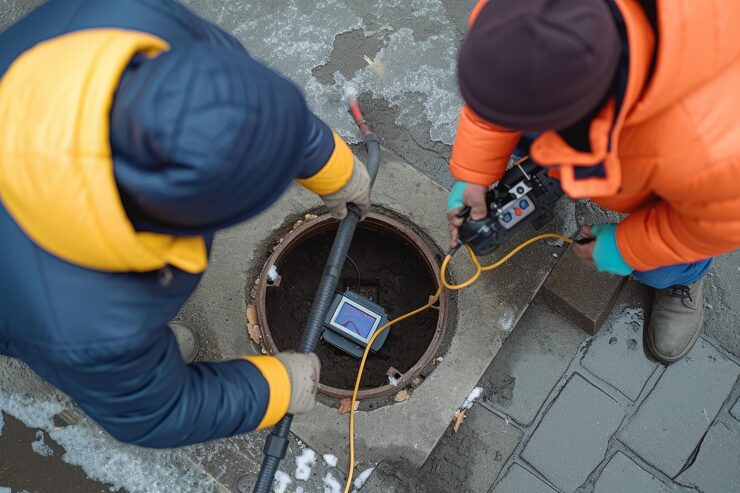
Sewer Problems

1. Corroded or Deteriorating Sewer Pipes

One of the most common sewer problems in older properties is pipe deterioration. Older cast-iron pipes can corrode internally, while clay pipes may crack or separate at their joints.

As pipes age, their inner surfaces can become rough, allowing grease, waste, and other debris to collect more easily. This can reduce water flow and increase the risk of recurring blockages.

Common warning signs

  • Drains that empty slowly throughout the property
  • Frequent clogs in sinks, tubs, or toilets
  • Sewage odors near drains or around the building
  • Recurring plumbing problems despite routine cleaning

A professional inspection can help determine whether the pipes need cleaning, localized repairs, or replacement. In some situations, trenchless repair methods may provide an alternative to extensive excavation.

2. Tree Roots Growing Into Sewer Lines

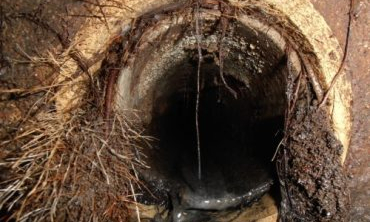
Trees add beauty and shade to South Florida properties, but their roots can cause problems for underground sewer pipes. Roots naturally seek moisture and may enter through small cracks, loose joints, or damaged pipe connections.

Once inside, roots can continue growing and collect toilet paper, waste, and other debris. This may eventually cause serious blockages or damage the pipe.

How to recognize root intrusion

You may notice repeated drain clogs, slow drainage across several fixtures, or sewage backing up into a tub or floor drain. Professional drain cleaning can sometimes remove the roots causing the blockage. However, if roots have damaged the pipe, additional repairs may be necessary to prevent the problem from returning.

3. Frequent Sewer Backups

A sewer backup occurs when wastewater cannot flow through the sewer line as it should. Instead, sewage may return through toilets, showers, bathtubs, or floor drains. A sewer backup in South Florida can result from severe blockages, damaged pipes, root intrusion, or problems farther along the sewer system. Heavy rainfall may also contribute to drainage problems in some locations, depending on the condition and design of the system.

What should you do during a sewer backup?

Stop using water-producing fixtures if wastewater is backing up into the property. Avoid direct contact with sewage because it can contain harmful microorganisms. Keep children and pets away from affected areas. Contact a qualified plumbing professional to identify the source and recommend the appropriate repair. If sewage is entering the property, prompt attention can help limit contamination and property damage.

4. Slow Drains and Repeated Blockages

Slow drains are easy to overlook, especially when the water eventually disappears. However, repeated clogs may indicate a deeper problem rather than a simple blockage in one fixture. Hair, soap residue, grease, food waste, and other materials can collect inside drainpipes. In older sewer systems, deteriorating pipe walls or root intrusion may make these blockages more frequent.

If multiple drains become slow at the same time, the main sewer line may be involved. Basic drain cleaning may resolve an isolated clog. When the problem keeps returning, a professional assessment can help identify the underlying cause instead of treating the same symptoms repeatedly.

5. Cracked, Broken, or Misaligned Sewer Pipes

Underground sewer pipes can crack, collapse, or separate at their joints as they age. Soil movement, external pressure, root growth, and natural wear may contribute to this damage. A damaged pipe can allow wastewater to escape into the surrounding soil. Depending on the location and severity, this may cause persistent odors, wet areas in the yard, or recurring drainage problems.

Signs of a damaged sewer line

Watch for these warning signs:

  • Sewage smells inside or outside the property
  • Multiple drains clogging repeatedly
  • Unusually wet or sunken areas in the yard
  • Sewage backing up into lower-level fixtures
  • Drainage issues that return after cleaning

These symptoms do not always confirm a broken sewer line, since other plumbing problems can cause similar signs. A proper inspection is needed to establish the cause.

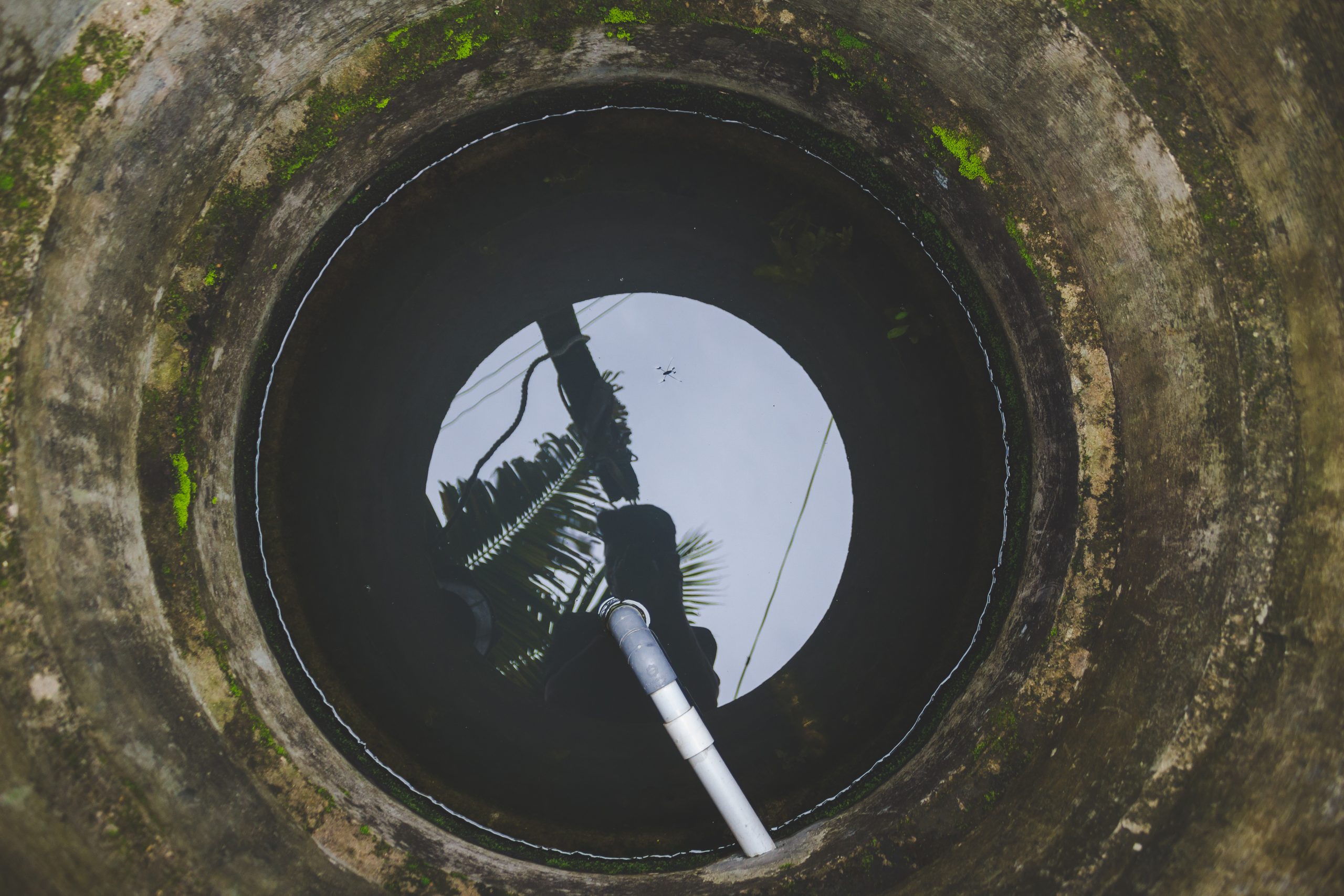
Tree Roots

6. Sewer Odors Inside the Property

Unpleasant sewer smells can make an older home uncomfortable and may indicate a plumbing problem. Common causes include dry drain traps, damaged pipe connections, blocked plumbing vents, or leaks in the drainage system. A drain trap normally holds water that helps prevent sewer gases from entering the building. If the trap dries out, odors may travel through the drain opening.

If the smell continues after checking rarely used drains, the problem may require professional attention. Persistent sewer odors should not be ignored, particularly when accompanied by drainage problems or visible leaks.

7. Why Sewer Camera Inspection Matters

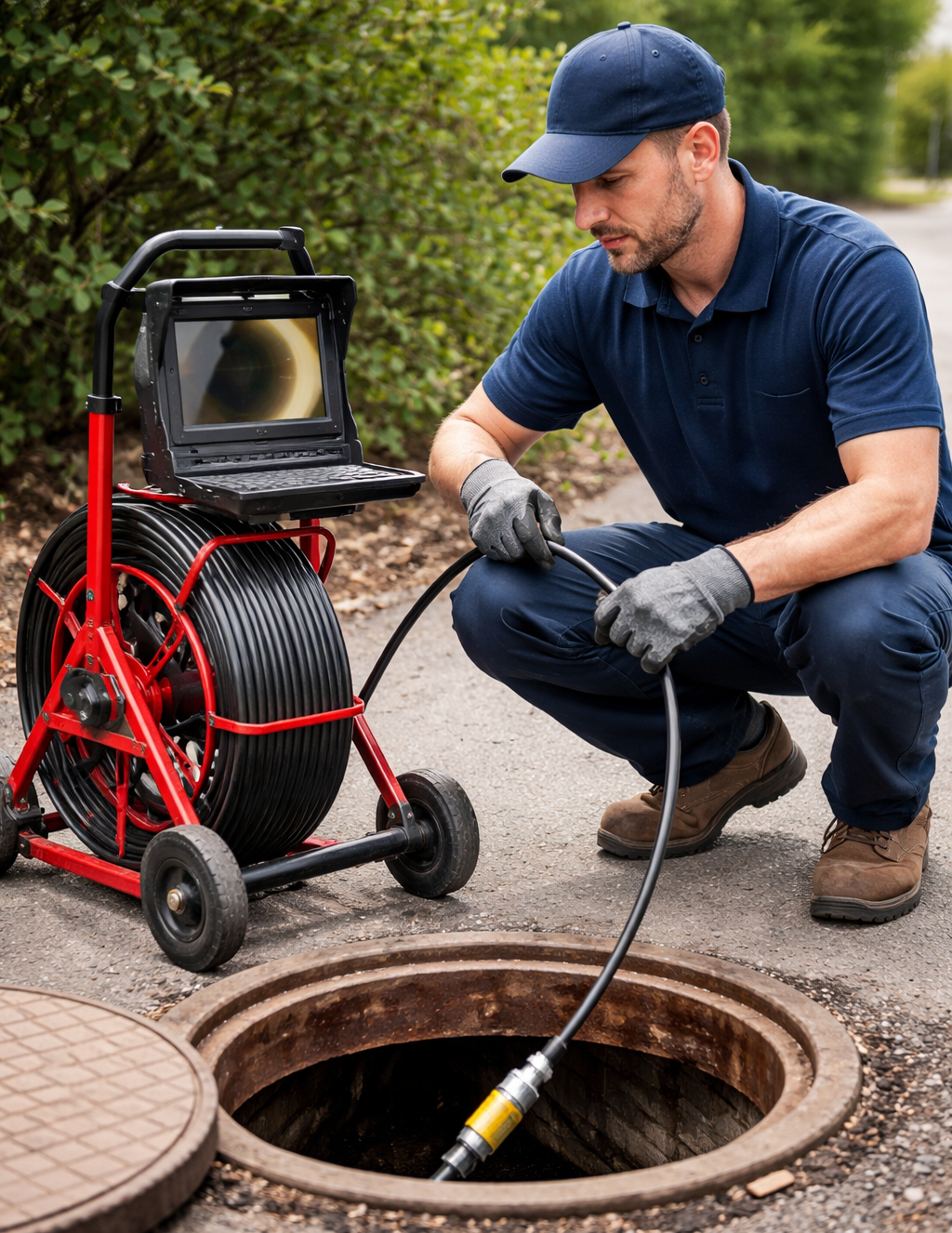
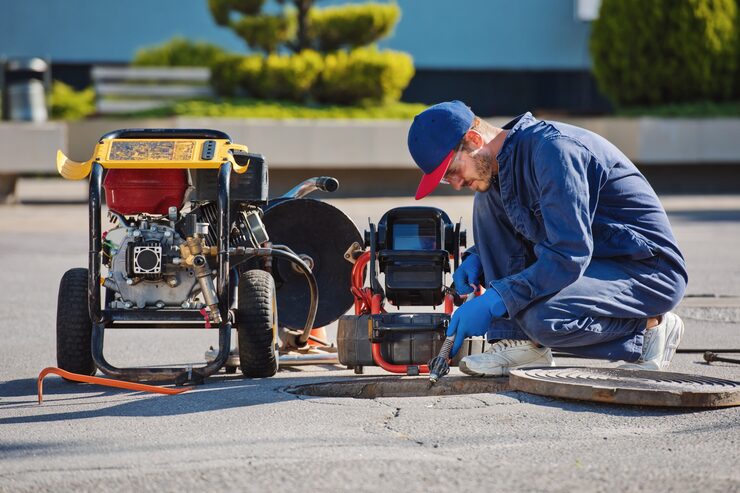
Finding the cause of sewer line problems can be difficult because most sewer pipes are buried underground or hidden behind walls and floors. A sewer camera inspection in South Florida allows a technician to examine the inside of an accessible sewer pipe using a specialized waterproof camera. This can help locate root intrusion, cracks, buildup, blockages, and other visible defects.

Camera inspections can be especially useful in older properties because they provide information about the pipe’s condition before major repairs are considered.

The findings help a plumbing professional recommend an appropriate solution, such as drain cleaning, a targeted repair, pipe lining, or sewer line replacement. Not every damaged pipe is suitable for trenchless repair, so the condition and layout of the system must be assessed first.

8. When to Consider Sewer Line Repair in South Florida

Routine cleaning may be enough for minor blockages, but structural damage usually requires a more lasting solution. Professional sewer line repair in South Florida may be necessary when pipes are cracked, severely corroded, misaligned, or repeatedly blocked by roots.

Depending on the inspection results, possible solutions include:

  • Drain cleaning: Removes debris and certain types of blockages.
  • Localized pipe repair: Addresses a damaged section of pipe.
  • CIPP pipe lining: Creates a new lining inside a suitable existing pipe.
  • Sewer line replacement: Replaces pipe sections that are too damaged to repair reliably.

Choosing the right option depends on the pipe material, damage, accessibility, and overall condition of the sewer system.
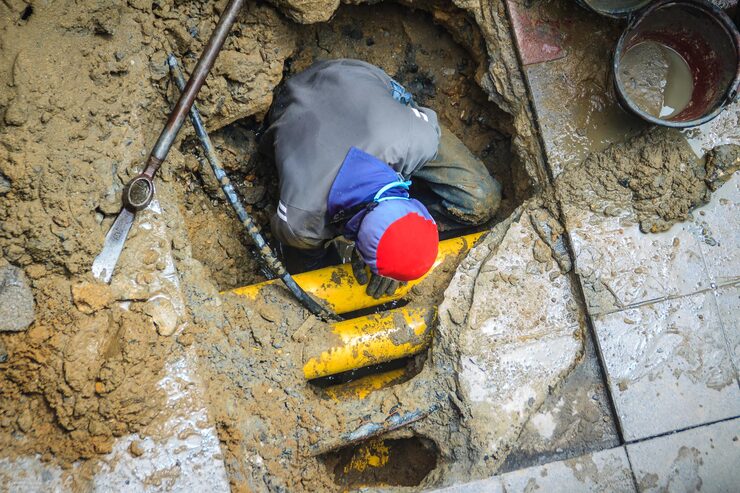
Trenchless Sewer Repair

Protect Your Older Property With New Drain of Florida

Sewer and drain problems can develop gradually, making early warning signs easy to miss. Recurring clogs, sewage odors, slow drains, and unexpected backups deserve attention, especially in older South Florida properties.

New Drain of Florida provides sewer and drain solutions to help property owners investigate plumbing issues and identify suitable repair options. Professional inspections can help uncover hidden problems and guide decisions about maintenance, repair, or replacement.

If you are experiencing sewer problems in South Florida, contact New Drain of Florida to discuss your concerns and determine the next steps for your property.

Frequently Asked Questions

What are the most common sewer problems in older South Florida homes?

Common issues include corroded pipes, tree root intrusion, cracked sewer lines, clogged drains, and sewage backups. Regular inspections can help identify these problems early.

What are the signs of a damaged sewer line?

Warning signs include frequent clogs, slow drains, sewage odors, wastewater backups, and unusually wet areas in your yard.

Can heavy rain cause sewer backup in South Florida?

Yes, heavy rain can contribute to sewer backups in some areas, especially when drainage systems are overwhelmed or pipes are damaged or blocked.

How can I find hidden sewer line problems?

A sewer camera inspection helps identify cracks, blockages, root intrusion, and other pipe damage without extensive digging.

Is sewer line repair better than replacement?

Repair is suitable for localized damage, while replacement may be necessary for severely damaged pipes. A professional inspection helps determine the best solution.

Read more
Pipe Lining Vs Pipe Coating

Pipe Lining vs. Pipe Coating: Key Differences, Costs, and Which Is Better

When sewer pipes become damaged, corroded, or begin to leak, choosing the right repair method is essential for protecting your plumbing system. Two commonly discussed trenchless pipe rehabilitation methods are pipe lining and pipe coating. Although both can help restore the interior of existing pipes, they use different materials, installation techniques, and repair approaches. Understanding pipe lining vs. pipe coating can help homeowners and property managers determine which solution may be suitable for their plumbing problems. Factors such as pipe condition, structural damage, repair costs, and long-term performance all influence the right choice.

In this guide, we explain the difference between pipe lining and pipe coating, compare their benefits and limitations, and discuss how professional pipe inspections can help you select an appropriate sewer pipe repair solution.

CIPP Pipe Lining

What Is Pipe Lining?

Pipe lining is a trenchless pipe repair method that creates a new lining inside an existing pipe. Instead of excavating large sections of a yard, driveway, or floor to replace damaged plumbing, contractors install a specially designed liner inside the existing pipe.

One widely used method is Cured-In-Place Pipe (CIPP) lining. Depending on the system, a resin-saturated liner is inserted into the damaged pipe and positioned against its interior walls. The resin is then cured to create a new pipe within the existing pipe.

This process can rehabilitate certain damaged sewer lines without requiring extensive excavation.

How Does CIPP Pipe Lining Work?

The pipe lining process generally involves the following steps:

  • Pipe inspection: A sewer camera identifies cracks, corrosion, blockages, root intrusion, and other visible damage.
  • Pipe cleaning: The existing pipe is cleaned to remove debris, buildup, and obstructions that could interfere with installation.
  • Liner installation: A resin-impregnated liner is inserted into the existing pipe using an appropriate installation technique.
  • Curing: The liner is cured using the specified method, such as hot water, steam, or ultraviolet light, depending on the system.
  • Final inspection: The repaired pipe is inspected to assess the installation and confirm that the intended result has been achieved.

The exact process depends on the pipe’s diameter, layout, condition, and the lining system being used.

Benefits of Pipe Lining

Pipe lining offers several potential advantages for suitable sewer and drain pipes.

  • Minimal excavation: Many lining projects can be completed without digging up the entire pipe route.
  • Structural rehabilitation: Properly designed CIPP systems can restore structural integrity to eligible damaged pipes.
  • Reduced property disruption: Trenchless installation can help protect landscaping, driveways, and other surfaces.
  • Improved interior flow: Removing obstructions and installing a properly sized liner can improve flow conditions, although the liner reduces the pipe’s internal diameter.
  • Long-term performance: A correctly installed liner can provide a durable repair, depending on the system, installation quality, and operating conditions.

Pipe lining may be appropriate for certain cracked, deteriorated, or aging sewer pipes, provided the pipe is suitable for the selected repair method.

What Is Pipe Coating?

Pipe coating involves applying a protective material to the inside surface of an existing pipe. Epoxy pipe coating is one example used in specific plumbing and pipe rehabilitation applications. Rather than installing a separate structural liner, the coating forms a layer over the prepared interior surface. Depending on the product and application, it may help protect against corrosion, seal certain minor surface defects, and create a smoother interior.

Pipe coating is not suitable for every damaged pipe. Its effectiveness depends on the coating material, surface preparation, pipe condition, and the manufacturer’s installation requirements.

How Does Epoxy Pipe Coating Work?

The process typically includes these steps:

  • Inspection and assessment: A contractor evaluates the pipe and determines whether coating is an appropriate solution.
  • Interior cleaning: Deposits, corrosion products, and loose material are removed to prepare the pipe surface.
  • Surface preparation and drying: The pipe is prepared according to the coating manufacturer’s specifications.
  • Coating application: The epoxy or other approved coating material is applied to the interior surface.
  • Curing and quality checks: The material is allowed to cure, followed by an appropriate inspection to evaluate the finished coating.

The application method varies depending on the pipe system and coating product.

Pipe Lining Vs Pipe Coating

Benefits of Pipe Coating

Epoxy pipe coating can offer several benefits when used in appropriate conditions.

  • Interior surface protection: Suitable coatings can protect compatible pipe materials from certain forms of corrosion.
  • Limited access requirements: Some coating methods can be performed through existing plumbing access points.
  • Reduced excavation: Interior coating may avoid extensive digging when the existing pipe remains suitable for treatment.
  • Potentially improved flow characteristics: A smooth, properly applied coating can improve the interior surface, depending on the original condition.
  • Protection of suitable existing pipes: Coating may help extend the service life of pipes affected by surface deterioration when the underlying pipe remains adequate for the intended application.

However, a protective coating should not automatically be considered a structural replacement for a severely damaged pipe.

Pipe Lining vs. Pipe Coating: Key Differences

Although both methods work inside existing pipes, their purposes and capabilities can differ significantly.

Comparison factor Pipe lining Pipe coating
Main purpose Rehabilitates the pipe with an installed liner Applies a protective layer to the pipe interior
Material Commonly a resin-based liner Epoxy or another suitable coating material
Structural capability Certain systems can restore structural integrity Generally intended for surface protection; structural capability depends on the specific engineered system
Suitable pipe condition Selected pipes with cracks, deterioration, or other eligible damage Suitable pipes needing interior protection or treatment of certain surface defects
Internal diameter Reduces diameter according to liner thickness Usually causes a smaller reduction, depending on coating thickness
Surface preparation Cleaning and preparation required Cleaning and careful surface preparation required
Excavation Often avoids extensive excavation Often avoids extensive excavation
Cost factors Liner system, pipe length, access, and damage severity Coating material, surface preparation, pipe size, and application complexity

The main difference between pipe lining and pipe coating is that lining installs a new layer designed to rehabilitate the existing pipe, while coating primarily protects the pipe’s interior surface. The specific product and engineering design determine what each system can accomplish.

Pipe Lining vs. Pipe Coating Cost

The cost of pipe lining compared to pipe coating depends on several factors. Neither method is always less expensive, and a reliable estimate requires an inspection of the existing plumbing system.

Factors That Affect Pipe Lining Costs

Pipe lining costs may depend on:

  • Length and diameter of the sewer pipe.
  • Extent of cracks, corrosion, or deterioration.
  • Type of CIPP liner and curing method.
  • Accessibility of the damaged pipe.
  • Required cleaning, descaling, and preparation.
  • Additional work needed to address severe obstructions or structural problems.

A pipe with extensive deterioration or difficult access may require more preparation and specialized equipment.

Factors That Affect Pipe Coating Costs

Epoxy pipe coating costs may depend on:

  • Pipe size and total length.
  • Type and quantity of coating material.
  • Condition of the existing interior surface.
  • Labor required for cleaning and surface preparation.
  • Drying, curing, and inspection requirements.
  • Accessibility and complexity of the plumbing layout.

Coating may be a suitable option for certain pipes that need surface protection rather than structural rehabilitation. However, extensive preparation or an unsuitable pipe condition can make coating impractical.

Which Method Is More Affordable?

The most affordable solution is the one that addresses the actual problem without unnecessary work or an unsuitable repair. For example, coating may be appropriate for a compatible pipe that primarily needs interior surface protection. A structural lining system may be more suitable when the pipe has certain cracks or deterioration requiring structural rehabilitation.

Request an inspection and an itemized estimate before comparing the total cost of each method. A low initial price is not necessarily the best value if the selected repair cannot adequately address the underlying damage.

Pipe Lining Vs Pipe Coating

Pipe Lining vs. Pipe Coating Durability and Lifespan

Durability is another important consideration when evaluating sewer pipe rehabilitation methods.

How Long Does Pipe Lining Last?

A properly designed and installed CIPP liner can provide long-lasting service. Its expected lifespan depends on the liner system, resin, pipe condition, installation quality, and operating environment. The expected design life specified for a particular lining system should be distinguished from a guarantee of how long a specific installation will last.

How Long Does Epoxy Pipe Coating Last?

The lifespan of epoxy pipe coating depends on the coating formulation, compatibility with the existing pipe, surface preparation, application quality, and conditions inside the pipe. A coating applied to a properly prepared and suitable surface may provide durable protection. However, poor adhesion, moisture during application, or continued deterioration of the underlying pipe can compromise performance.

Which Method Lasts Longer?

There is no universal lifespan comparison that applies to every lining and coating product. Compare the manufacturer’s specifications, intended application, warranty, and expected service life for the actual systems being considered.

A professional inspection is especially important when the pipe has advanced corrosion, major cracks, deformation, or other signs of structural failure.

Which Is Better for Damaged Sewer Pipes?

Choosing between lining and coating depends on the type and severity of the damage.

When Should You Choose Pipe Lining?

Pipe lining may be appropriate when:

  • The pipe has cracks or deterioration that a compatible structural liner can rehabilitate.
  • The existing pipe can accommodate the selected liner.
  • The pipe route is suitable for trenchless installation.
  • Excavation would disrupt landscaping, driveways, or finished surfaces.
  • An inspection confirms that the pipe does not require a different repair or replacement method.

CIPP lining is commonly considered for eligible sewer pipes that need structural rehabilitation without extensive excavation.

When Should You Choose Pipe Coating?

Pipe coating may be appropriate when:

  • The pipe primarily needs interior surface protection.
  • Corrosion or surface deterioration is present but the pipe remains suitable for coating.
  • The coating system is compatible with the pipe material and intended use.
  • The surface can be prepared properly for reliable adhesion.
  • The selected product is approved for the specific plumbing application.

Coating should not be used as a substitute for necessary structural repairs when the pipe has severe damage.

Pipe Lining Vs Pipe Coating

Can Pipe Coating Fix Cracked Sewer Pipes?

Pipe coating may seal certain minor surface defects when the specific product is designed and approved for that purpose. However, ordinary protective epoxy coating should not be assumed to repair major cracks, separated joints, collapsed sections, or significant structural damage.

In these situations, a suitable structural lining system or pipe replacement may be necessary. The right option depends on the findings of a professional inspection.

Does Pipe Lining Require Digging?

One of the main advantages of trenchless pipe lining is that it often eliminates the need to excavate the entire sewer line. Contractors may use existing access points or create limited access openings to install the liner. However, trenchless repair does not mean that excavation is never necessary. Collapsed pipes, severe blockages, inaccessible sections, or other complications may require localized digging or a different repair method.

Pipe coating can also be installed with limited excavation in suitable applications. The access requirements depend on the coating process and existing plumbing configuration.

Conclusion

Choosing between pipe lining and pipe coating starts with understanding what your existing plumbing system needs. Pipe lining can provide structural rehabilitation for suitable damaged pipes, while pipe coating may offer interior surface protection for pipes that remain appropriate for treatment.

The right solution depends on the severity of the damage, pipe material, access conditions, and the capabilities of the selected repair system. A professional sewer camera inspection can help identify the problem and determine which repair options are appropriate.

If you are experiencing recurring sewer backups, leaking pipes, corrosion, or other drainage problems, New Drain of Florida can help you explore suitable pipe rehabilitation options. Contact the team to discuss your plumbing concerns and determine the next steps for your property.

Frequently Asked Questions

What is the difference between pipe lining and pipe coating?

Pipe lining installs a liner inside an existing pipe and can provide structural rehabilitation when an appropriate system is used. Pipe coating applies a protective material to the pipe’s interior, generally to improve surface protection and address certain minor defects.

Is pipe lining better than epoxy pipe coating?

Neither method is universally better. Pipe lining may be more appropriate for eligible pipes that need structural rehabilitation, while epoxy coating may suit pipes that primarily need interior protection. Pipe condition and the selected system determine the best option.

Is pipe lining more expensive than pipe coating?

Costs vary by pipe length, diameter, damage severity, access, materials, and labor. Obtain estimates for suitable repair options after a professional pipe inspection.

Can pipe lining and pipe coating prevent leaks?

Both methods can help address certain leakage problems when the pipe condition and selected system are suitable. However, neither method is appropriate for every leak, and severe structural damage may require replacement or another specialized repair.

Which method is best for old cast iron pipes?

The best approach depends on the cast iron pipe’s remaining wall thickness, corrosion, cracks, joint condition, and overall structural integrity. Some pipes may be suitable for lining or coating, while severely deteriorated or collapsed sections may require replacement.

Does trenchless pipe repair require excavation?

Many trenchless repair projects require less excavation than conventional pipe replacement. However, access openings or localized excavation may still be necessary, depending on the condition and configuration of the pipe.

Read more
Sewer Line Repair Vs Replacement

Sewer Line Repair vs. Replacement: How to Choose the Right Option

A damaged sewer line can cause slow drains, unpleasant odors, sewage backups, and costly property damage. When these problems appear, homeowners often face an important question: should they repair the existing sewer line or replace it completely? Understanding Sewer Line Repair Vs Replacement can help you choose the right solution for your home, budget, and long-term needs. The best option depends on the location of the damage, the condition of the pipe, the age of the sewer system, and the cost of the work.

At New Drain of Florida, we help homeowners understand their sewer line problems and explore suitable repair options. This guide explains the differences between sewer line repair and replacement, their costs, and how to determine which option may work best for your property.

Sewer Line Blockage Repair

What Is the Difference Between Sewer Line Repair and Replacement?

Sewer line repair and replacement both address damaged pipes, but they work differently.

What Is Sewer Line Repair?

Sewer line repair focuses on fixing a damaged section of an existing pipe. It may involve sealing a crack, removing a blockage, repairing a leaking joint, or completing a spot repair on a specific section. Repair is often a practical choice when the damage is limited and the rest of the pipe remains in good condition.

For example, if root intrusion has damaged one section of a sewer pipe, a plumber may be able to repair that area without replacing the entire line.

What Is Sewer Line Replacement?

Sewer line replacement involves removing and installing a new pipe. Depending on the extent of the damage, the plumber may replace a small section or complete a full sewer line replacement. Replacement may be necessary when the pipe has collapsed, several sections are damaged, or widespread pipe deterioration makes repeated repairs impractical. The goal is to restore reliable wastewater flow and reduce the risk of future problems.

When to Repair or Replace a Sewer Line

Choosing between repair and replacement starts with understanding the condition of the pipe.

When Sewer Line Repair Is the Better Option

Repair may be suitable when:

  • The damage is limited to one small section.
  • The pipe is structurally sound in most areas.
  • A cracked sewer pipe can be repaired safely.
  • A damaged joint is causing a localized leak.
  • Root intrusion is limited and the pipe can be restored.
  • The repair offers a reliable solution at a reasonable cost.

A targeted repair can save money and reduce disruption to your yard, driveway, landscaping, or other property features.

Signs a Sewer Line Needs Replacement

Some sewer problems indicate more extensive damage. Common warning signs include:

  • Frequent sewage backups or recurring drain blockages.
  • Multiple cracks or damaged sections along the pipe.
  • A collapsed sewer line that prevents wastewater from flowing.
  • Severe pipe deterioration caused by age or corrosion.
  • Repeated repairs that fail to solve the problem.
  • Persistent sewer odors or unexplained wet areas in the yard.

These symptoms do not automatically mean the entire line must be replaced. A professional inspection is needed to identify the cause and determine the extent of the damage.

Sewer Line Repair vs. Replacement Cost

The cost of sewer line repair vs replacement depends on several factors, including pipe depth, material, accessibility, damage severity, labor, and the repair method. A small spot repair generally costs less than replacing a long section or the entire sewer line. However, the cheapest immediate option is not always the most economical over time.

Repair costs may increase when the same pipe develops repeated problems. In such cases, replacement may offer better long-term value.

When comparing estimates, homeowners should consider:

  • The total length of pipe affected.
  • The condition of the existing sewer line.
  • Whether excavation is required.
  • The cost of restoring landscaping or hard surfaces.
  • The expected durability of the proposed solution.
  • The likelihood of needing additional repairs.

Ask for a detailed estimate that explains the recommended work and any additional restoration costs. Because every property is different, an inspection is the best starting point for an accurate quote.

Corroded Cast Iron Pipe Repair Coral Springs

Sewer Pipe Lining vs. Replacement

Traditional replacement is not the only option for damaged sewer pipes. Trenchless pipe lining may provide another solution when the existing pipe is suitable for rehabilitation.

What Is Trenchless Pipe Lining?

Trenchless pipe lining, often called cured-in-place pipe (CIPP) lining, involves placing a resin-coated liner inside the existing pipe. The liner is cured to form a new, durable inner surface. This method can repair certain cracks, leaks, and other defects without digging a continuous trench along the entire sewer line.

When Is Pipe Lining Suitable?

Pipe lining may be appropriate when the existing pipe has enough structural integrity to support the process and the damage can be addressed with a liner. However, it is not suitable for every sewer problem. A severely collapsed, badly deformed, or extensively damaged pipe may require excavation and replacement. The choice between sewer pipe lining vs. replacement depends on the inspection results, pipe condition, access, and project requirements.

Trenchless Sewer Repair vs. Traditional Replacement

Trenchless sewer repair methods can reduce the need for extensive digging. This may help protect landscaping, patios, walkways, and driveways. Traditional replacement involves excavating the affected area to remove and install pipe. Although it can cause more surface disruption, it may be the most appropriate solution for severely damaged or collapsed pipes.

Neither method is automatically better in every situation. Trenchless repair is worth considering when the pipe condition allows it, while traditional replacement may be necessary when the existing line cannot be reliably repaired. A qualified plumber can explain which options are technically suitable for your property.

How a Sewer Camera Inspection Helps

A sewer camera inspection is one of the most useful steps in deciding between repair and replacement. During the inspection, a plumber guides a specialized camera through the sewer line to look for cracks, root intrusion, blockages, separated joints, and signs of pipe deterioration. The inspection helps identify where the problem is located and how much of the pipe is affected.

This information supports a more informed recommendation. Instead of guessing based on symptoms alone, homeowners can understand whether a spot repair, trenchless pipe lining, or full sewer line replacement is appropriate.

Sewer Line Blockage Repair

How to Choose the Right Option for Your Home

Before making a decision, consider these steps:

  • Identify the problem: Note recurring backups, slow drains, unusual odors, or wet areas around your property.
  • Schedule an inspection: Have a professional evaluate the sewer line and identify the cause.
  • Compare suitable solutions: Ask whether a spot repair, pipe lining, partial replacement, or complete replacement is appropriate.
  • Review the total cost: Consider installation, excavation, surface restoration, and possible future repairs.
  • Think about long-term reliability: Choose a solution that addresses the underlying damage rather than only the visible symptoms.

The right decision should balance immediate cost, the condition of the existing pipe, and the likelihood of future problems.

Conclusion

Choosing between sewer line repair and replacement depends on the extent of the damage and the condition of the existing pipe. Minor, localized problems may be resolved with a repair, while a collapsed or extensively deteriorated sewer line may require replacement. Trenchless pipe lining can also be an option for suitable pipes.

At New Drain of Florida, we help homeowners explore practical solutions for damaged sewer lines. A professional sewer camera inspection can provide the information needed to make a confident decision. If you are experiencing recurring sewer problems, contact New Drain of Florida to discuss your concerns and determine which solution may be right for your home.

Frequently Asked Questions

Is it cheaper to repair or replace a sewer line?

Repair is usually less expensive upfront when the damage is limited to a small section. Replacement may provide better long-term value when the pipe has widespread damage or requires frequent repairs. The actual cost depends on the pipe condition, accessibility, and repair method.

How do I know if my sewer line needs replacement?

Frequent backups, multiple damaged sections, a collapsed pipe, severe deterioration, and repeated repair failures can indicate that replacement is necessary. A sewer camera inspection can help confirm the extent of the damage.

Can a sewer line be repaired without digging?

Yes. Trenchless methods, including CIPP pipe lining, can repair certain sewer line problems with limited excavation. However, the existing pipe must be suitable for the chosen method, and severely collapsed pipes may require traditional excavation.

What is the difference between sewer pipe lining and replacement?

Sewer pipe lining creates a new inner lining inside the existing pipe, often without digging a continuous trench. Replacement removes and installs new pipe in the affected area. The appropriate option depends on the condition and structural integrity of the existing sewer line.

How long does sewer line repair or replacement take?

A simple repair may be completed in a few hours, while more extensive repairs or replacement projects may take several days or longer. The timeline depends on the length of the damaged pipe, excavation requirements, access, and project complexity. Your plumber can provide a more accurate estimate after inspection.

Read more
How Long Does CIPP Pipe Lining Last

How Long Does CIPP Pipe Lining Last? Lifespan, Durability and Maintenance

Damaged sewer pipes can cause recurring drain clogs, unpleasant odors, leaks, and expensive plumbing problems. Fortunately, homeowners do not always need to dig up their yards or driveways to repair underground pipes. Cured-in-place pipe (CIPP) lining offers a trenchless solution that can restore damaged pipes with less excavation. But how long does CIPP pipe lining last? Is it durable enough to provide long-term protection, and what can homeowners do to extend its lifespan?

In this guide, New Drain of Florida explains the expected lifespan of CIPP pipe lining, the factors that affect its durability, and the maintenance practices that help keep lined pipes in good condition.

CIPP Pipe Lining

How Long Does CIPP Pipe Lining Last?

CIPP pipe lining is generally designed to provide a service life of approximately 50 years when properly designed, installed, and tested. The National Association of Sewer Service Companies (NASSCO) identifies a minimum 50-year life expectancy for properly renewed sewer laterals using CIPP technology.

Research supported by the U.S. Environmental Protection Agency has also examined CIPP liners that had been in service for decades. The findings showed encouraging long-term performance, with properly designed and installed liners expected to meet or exceed the typical 50-year design life.

However, this does not mean every liner is guaranteed to last exactly 50 years. Actual performance depends on the condition of the existing pipe, the materials used, installation quality, and the conditions inside and around the pipeline.

For homeowners, the key is choosing an appropriate lining system and ensuring the work is completed according to the project’s requirements.

What Is CIPP Pipe Lining?

Cured-in-place pipe lining is a trenchless pipe repair method that creates a new lining inside an existing damaged pipe. Instead of excavating the entire pipeline, a resin-saturated liner is placed inside the old pipe and cured using a suitable method, such as heat or ultraviolet light.

Once the resin hardens, the liner forms a strong, close-fitting structure within the original pipe. It can help seal cracks, reduce water infiltration, and prevent roots from entering through repaired sections.

CIPP lining is commonly used for sewer and drain pipes when the existing pipe is suitable for rehabilitation. A professional inspection is necessary to determine whether lining is appropriate or whether a collapsed or severely damaged pipe needs a different repair method.

What Is the CIPP Pipe Lining Life Expectancy?

The CIPP pipe lining life expectancy is commonly estimated at 50 years or more under suitable conditions. This estimate is based on engineering design assumptions and research into the long-term performance of installed liners.

The actual lifespan can vary from one property to another. For example, a liner installed in a properly prepared pipe using the correct materials may perform well for decades. A poorly installed liner, on the other hand, may develop problems much earlier.

It is also important to distinguish between a design life and a warranty. A 50-year design life does not automatically mean that a contractor provides a 50-year warranty. Homeowners should review the written warranty, its coverage, and any maintenance requirements before approving the work.

Factors Affecting CIPP Liner Lifespan

Several factors influence how long a lined sewer pipe will last.

Quality of Installation

Installation quality is one of the most important factors affecting CIPP liner lifespan. The existing pipe must be inspected and cleaned before the liner is installed. The liner must also be positioned correctly and cured according to the system’s specifications. Poor preparation, improper curing, wrinkles, or incorrectly reopened pipe connections can lead to performance issues.

Condition of the Existing Pipe

CIPP lining can rehabilitate many damaged pipes, but it is not suitable for every situation. A severely collapsed pipe or one with major structural instability may require another repair method. A professional inspection helps determine whether the existing pipe can support the lining process and which solution is most appropriate.

Liner Materials and Design

Different CIPP systems use different liner materials, resins, thicknesses, and curing methods. The correct system must be selected according to pipe diameter, structural condition, groundwater conditions, and expected loads. Proper engineering design helps ensure that the liner can withstand the demands placed on it over time.

Pipe Usage and Environmental Conditions

The type of wastewater flowing through the pipe, exposure to chemicals, soil movement, groundwater pressure, and external loads can affect long-term performance. Florida properties may also experience heavy rainfall and changing groundwater conditions. These factors make a proper assessment of the pipe and surrounding environment especially important.

CIPP Pipe Lining

How Durable Is CIPP Pipe Lining?

CIPP pipe lining durability comes from the hardened liner that forms inside the existing pipe. When correctly designed and installed, it can restore the pipe’s function, seal many defects, and help prevent root intrusion through repaired areas. Unlike traditional pipe replacement, CIPP lining often requires much less excavation. This can help reduce disruption to landscaping, driveways, and other property features.

However, durability depends on using the right system for the pipe’s condition. CIPP lining cannot correct every underlying problem, and improper installation or damage caused by unsuitable cleaning practices may affect performance. A professional assessment before installation and appropriate care afterward help support long-term reliability.

How to Maintain CIPP Pipe Lining

Although CIPP lining is designed for long-term use, sensible maintenance can help prevent avoidable problems.

  • Avoid flushing unsuitable items: Keep wipes, grease, sanitary products, and other non-flushable materials out of drains.
  • Address recurring clogs early: Repeated blockages may indicate a drainage problem that needs professional attention.
  • Use appropriate cleaning methods: Aggressive mechanical cleaning or excessive water-jetting pressure can damage some liners if used incorrectly. Cleaning should follow the lining system’s requirements.
  • Schedule inspections when needed: A professional camera inspection can help identify defects, obstructions, or connection problems.
  • Fix related plumbing issues: Leaking fixtures, improper drainage, and other plumbing problems should be addressed before they cause further damage.

With appropriate care, homeowners can help protect their investment and maintain reliable drainage.

Is CIPP Pipe Lining Better Than Traditional Pipe Replacement?

CIPP lining and traditional pipe replacement both have advantages. The right choice depends on the pipe’s condition, accessibility, and repair requirements. CIPP lining generally requires less digging, causes less disruption to the property, and can provide a long service life. It may be a suitable choice for cracked or deteriorated pipes that remain appropriate for rehabilitation.

Traditional replacement may be necessary when a pipe has collapsed, has severe structural damage, or cannot be successfully lined. A qualified plumbing professional can inspect the pipe and explain the available options. For many suitable sewer lines, trenchless rehabilitation offers a practical way to restore performance without excavating the entire pipeline.

Restore Your Pipes With New Drain of Florida

Understanding the expected lifespan of CIPP lining can help you make a more informed decision about your home’s sewer system. With proper design, quality installation, and suitable maintenance, CIPP lining can provide decades of service while reducing the disruption associated with traditional excavation.

New Drain of Florida can help you explore trenchless pipe repair options based on your property’s drainage needs. If you are experiencing recurring clogs, suspected pipe damage, or sewer line problems, contact our team to discuss an inspection and determine whether CIPP pipe lining is right for your property.

Frequently Asked Questions

How long does CIPP pipe lining last?

CIPP pipe lining is commonly designed for a service life of approximately 50 years when properly designed, installed, and tested. Actual lifespan depends on installation quality, materials, pipe conditions, and the environment.

Does CIPP pipe lining really last 50 years?

Research on installed CIPP liners has shown encouraging long-term results, including liners that have remained in service for several decades. However, a 50-year design life is not a guarantee that every installation will last that long.

How long does trenchless pipe lining last compared with traditional pipe replacement?

CIPP trenchless pipe lining is commonly designed for a service life of around 50 years under suitable conditions. Traditional replacement can also provide long-term service, but actual longevity depends on the materials, installation, soil conditions, and maintenance.

What factors affect CIPP liner lifespan the most?

The main factors include installation quality, liner materials, curing, existing pipe condition, structural design, wastewater exposure, and external soil or groundwater conditions.

Does CIPP pipe lining require regular maintenance?

CIPP lining generally does not require extensive routine maintenance, but drains should be used properly and recurring blockages should be investigated. Professional inspections and suitable cleaning methods can help identify problems and protect the liner over time.

Read more
Sewer Line Blockage Repair Lighthouse Point

Sewer Line Blockage Repair Lighthouse Point FL | Fast Local Service

A blocked sewer line can quickly turn into a major plumbing problem. Slow drains, unpleasant odors, gurgling sounds, and sewage backups can all point to an issue deeper inside your sewer system. When these problems appear, getting professional help early can prevent more damage and disruption. New Drain of Florida provides professional Sewer Line Blockage Repair Lighthouse Point services for homeowners and properties in Lighthouse Point. Our team can inspect the sewer line, identify the cause of the blockage, and recommend a practical repair or cleaning solution.

Sewer Line Blockage Repair

What Is a Sewer Line Blockage?

A sewer line carries wastewater from your home or building to the main sewer system. Over time, the pipe can become blocked by materials that restrict or completely stop the flow of wastewater.

Common causes include:

  • Tree root intrusion
  • Grease and buildup
  • Excess toilet paper and waste
  • Foreign objects
  • Broken or damaged pipes
  • Pipe corrosion
  • Soil movement
  • Aging sewer pipes

A small blockage may first appear as a slow drain. If the problem is ignored, it can become a complete blockage and cause wastewater to back up into your property.

Signs You May Have a Blocked Sewer Line in Lighthouse Point

Not every drainage problem comes from a sewer line. However, certain warning signs can indicate that the main sewer pipe needs professional attention.

Multiple Slow Drains

If several drains throughout your property are draining slowly at the same time, the problem may be in the main sewer line rather than one individual drain.

Gurgling Sounds

Gurgling from toilets, sinks, or showers can occur when air becomes trapped because wastewater cannot flow normally through the sewer pipe.

Sewage Odors

A persistent sewage smell inside or around your property can indicate a drainage or sewer line problem.

Water Backing Up

Water or sewage coming back through a shower, floor drain, toilet, or sink is a serious warning sign. Professional sewer backup repair Lighthouse Point may be needed to restore proper drainage.

Repeated Drain Clogs

If you regularly need to clear the same drains, there may be a deeper blockage or an underlying pipe problem.

Sewer Line Blockage Repair

Common Causes of Sewer Blockages

Understanding the cause of a blockage helps determine the right repair method.

Tree Root Intrusion

Tree roots naturally seek water and can enter small cracks or joints in underground sewer pipes. As roots grow, they can restrict wastewater flow and cause repeated blockages. Professional sewer root removal Lighthouse Point can help clear root growth from the affected pipe.

Grease and Debris

Grease, sludge, and other materials can accumulate inside sewer pipes. Over time, this buildup can reduce the opening available for wastewater.

Damaged Sewer Pipes

Cracks, collapsed sections, separated joints, or damaged pipes can interfere with wastewater flow. In these cases, simple cleaning may not provide a lasting solution.

Aging Pipes

Older sewer systems may develop corrosion, cracks, or structural deterioration. An inspection can help determine whether the pipe needs cleaning, repair, or replacement.

Professional Sewer Line Repair in Lighthouse Point

When a blockage cannot be resolved with basic drain cleaning, professional sewer line repair Lighthouse Point may be necessary. At New Drain of Florida, the first step is to understand what is happening inside the sewer system. Depending on the symptoms, our team may recommend a sewer inspection to locate the blockage and determine its cause.

The appropriate solution depends on the condition, location, and material of the pipe.

Sewer Camera Inspection Lighthouse Point

A sewer camera inspection Lighthouse Point service allows technicians to look inside the sewer pipe using a specialized inspection camera.

This can help identify problems such as:

  • Tree root intrusion
  • Cracks
  • Blockages
  • Pipe separation
  • Collapsed sections
  • Heavy buildup
  • Other internal damage

Instead of guessing where the problem is located, a camera inspection can provide a clearer view of the pipe’s condition.

Sewer Line Cleaning and Hydro Jetting

Some sewer blockages can be removed through professional cleaning. Sewer line cleaning Lighthouse Point can help remove accumulated debris and restore normal wastewater flow. For tougher buildup, hydro jetting Lighthouse Point may be an option.

Hydro jetting uses highly pressurized water to clean the inside of a sewer pipe. It can help remove grease, sludge, mineral deposits, and certain types of buildup. However, hydro jetting is not the right solution for every damaged or weakened pipe. A professional assessment can help determine whether the pipe is suitable for this type of cleaning.

Trenchless Sewer Repair Lighthouse Point

Traditional sewer repairs may require excavation to access an underground pipe. Depending on the condition of the sewer line, trenchless sewer repair Lighthouse Point may provide another option. Trenchless methods can repair certain underground pipe problems with less surface disruption than conventional excavation.

The right method depends on factors such as pipe condition, location, accessibility, and the type of damage involved.

Sewer Line Blockage Repair

When Is Sewer Pipe Replacement Necessary?

Cleaning can solve a blockage when the pipe itself is still in good condition. However, severely damaged pipes may require sewer pipe replacement Lighthouse Point.

Replacement may be considered when a sewer pipe has:

  • Severe structural damage
  • A collapsed section
  • Extensive cracking
  • Major corrosion
  • Repeated failures
  • Significant deterioration

For homeowners, residential sewer line repair Lighthouse Point should address both the immediate blockage and the underlying cause whenever possible.

Emergency Sewer Line Repair Lighthouse Point

A complete sewer blockage can become an urgent problem, especially when wastewater is backing up inside your property. Emergency sewer line repair Lighthouse Point may be necessary when you notice sewage coming into sinks, toilets, showers, or floor drains.

If sewage is backing up, avoid unnecessary contact with the wastewater and limit water use until the problem can be assessed. Prompt professional service can help identify the source of the blockage and determine the next step.

Why Choose New Drain of Florida?

New Drain of Florida focuses on practical solutions for sewer and drainage problems in Lighthouse Point. Our approach is centered on identifying the problem before recommending a solution. Depending on the situation, that may involve sewer cleaning, inspection, hydro jetting, repair, trenchless methods, or pipe replacement.

The goal is to address the blockage while also understanding why it happened in the first place. If you are dealing with a slow drain, recurring clog, sewage odor, or backup, professional sewer blockage repair Lighthouse Point can help protect your property and restore proper drainage.

Frequently Asked Questions

What are the signs of a blocked sewer line in Lighthouse Point?

Common signs include multiple slow drains, recurring clogs, gurgling toilets, sewage odors, and wastewater backing up through sinks, showers, toilets, or floor drains. When several fixtures are affected at once, the main sewer line may be involved.

How is sewer line blockage repair performed?

The repair process depends on the cause of the blockage. A technician may use a sewer camera inspection to locate the problem, followed by sewer cleaning, hydro jetting, root removal, repair, or replacement when necessary.

Can hydro jetting remove a sewer line blockage?

Hydro jetting can remove many types of buildup, including grease, sludge, and some debris. However, it may not be appropriate for every pipe, especially if the sewer line has significant structural damage. A professional inspection can help determine the appropriate method.

When does a blocked sewer line need replacement instead of cleaning?

A sewer line may need replacement when it has severe cracks, collapsed sections, extensive corrosion, or significant structural deterioration. If the pipe is structurally sound, cleaning or another repair method may be sufficient.

How can I prevent future sewer line blockages?

Avoid flushing items that do not belong in the toilet, limit grease entering drains, address recurring clogs promptly, and consider professional sewer line inspections when problems repeatedly occur. If tree roots are affecting the line, professional root removal may also help reduce recurring blockages.

Read more
Corroded Cast Iron Pipe Repair Coral Springs

Corroded Cast Iron Pipe Repair In Coral Springs: Fast Local Help

Cast iron pipes were commonly used in older homes and buildings because they are strong and can last for many years. However, like any plumbing material, cast iron can eventually develop problems. Rust, corrosion, cracks, leaks, and buildup can affect the performance of the entire plumbing system. When these issues appear, professional Corroded Cast Iron Pipe Repair Coral Springs can help identify the problem and determine the right repair option.

At New Drain of Florida, we help property owners address damaged and aging pipes with practical repair and replacement solutions. Our goal is to find the cause of the problem and provide a solution that helps restore proper drainage and protect your property.

Corroded Cast Iron Pipe

What Causes Cast Iron Pipe Corrosion?

Cast iron is a durable material, but it can deteriorate over time. Continuous exposure to moisture, wastewater, minerals, and other substances can cause the inside and outside of a pipe to corrode.

Several factors can contribute to cast iron pipe corrosion Coral Springs, including:

  • Age of the plumbing system
  • Constant exposure to water and wastewater
  • Rust developing inside the pipe
  • Soil conditions around underground pipes
  • Tree root intrusion
  • Repeated clogs and drainage problems
  • Shifting soil or ground movement
  • Accumulation of grease and debris

As corrosion becomes worse, the pipe walls may become thin and weak. Small leaks can eventually develop into larger plumbing problems.

Signs You May Have Corroded Cast Iron Pipes

Corroded pipes do not always fail suddenly. In many cases, they provide warning signs before a major failure occurs.

Watch for these common symptoms:

Slow Drains

If sinks, tubs, showers, or floor drains are draining slowly, there could be buildup or damage inside the sewer or drain pipe.

Frequent Clogs

Repeated blockages may indicate that the inside of an old cast iron pipe has become rough or narrowed because of corrosion and buildup.

Sewage Odors

Unpleasant sewage smells around drains or outside the property may indicate a damaged sewer line.

Water or Sewage Leaks

Leaks around walls, floors, foundations, or outdoor areas can sometimes be associated with damaged underground plumbing.

Unusual Sounds

Gurgling or bubbling sounds from drains may indicate that wastewater is not moving through the pipe properly. If you notice several of these signs, arranging an inspection can help determine whether corroded pipe repair Coral Springs is needed.

Why Professional Cast Iron Pipe Repair Matters

A damaged cast iron pipe can continue to deteriorate if the underlying problem is not addressed. A temporary fix may not solve corrosion that is affecting a larger section of the pipe.

Professional cast iron pipe repair Coral Springs starts with finding the location and severity of the damage. A plumbing professional may use a sewer camera inspection to look inside the pipe without immediately excavating the property.

This can help identify:

  • Corrosion
  • Cracks
  • Broken sections
  • Root intrusion
  • Blockages
  • Pipe separation
  • Internal buildup
  • Areas where the pipe wall has deteriorated

Once the condition of the pipe is understood, the appropriate repair method can be selected.

Corroded Cast Iron Pipe

Cast Iron Sewer Pipe Repair in Coral Springs

Your sewer system plays an important role in removing wastewater from your property. When an aging cast iron sewer pipe becomes corroded, wastewater may not flow properly. Cast iron sewer pipe repair Coral Springs can involve different methods depending on the condition, location, and extent of the damage.

For a pipe with limited damage, a repair or lining solution may be possible. If the pipe has severe structural deterioration, replacement may be more appropriate. The key is to evaluate the pipe before deciding what work is necessary.

Trenchless Cast Iron Pipe Repair Coral Springs

Traditional pipe replacement often involves digging through landscaping, driveways, floors, or other areas to reach an underground pipe. Trenchless cast iron pipe repair Coral Springs can provide an alternative in situations where the existing pipe is a suitable candidate for trenchless rehabilitation.

Instead of removing large sections of the surrounding property, trenchless methods can use existing access points or small openings to repair the pipe.

Potential benefits include:

  • Less excavation
  • Reduced disturbance to landscaping
  • Less disruption to certain surfaces
  • Faster restoration of the affected area
  • Rehabilitation of an existing pipe

Not every damaged pipe can be repaired using a trenchless method. A professional inspection is important to determine whether the pipe is suitable.

Cast Iron Pipe Lining and CIPP

One trenchless solution used for certain damaged pipes is pipe lining. Cast iron pipe lining Coral Springs can involve installing a resin-coated liner inside the existing pipe. The liner is positioned inside the damaged section and cured to form a new pipe within the old one.

CIPP pipe lining Coral Springs refers to cured-in-place pipe technology. It can be used to rehabilitate certain pipes without completely removing the existing line. The suitability of CIPP depends on factors such as the pipe’s condition, size, configuration, accessibility, and the type of damage present. A professional inspection should be completed before choosing pipe lining.

When Is Cast Iron Pipe Replacement Necessary?

Repair is not always the best option. Severely deteriorated pipes may require replacement.

Cast iron pipe replacement Coral Springs may be considered when the pipe has:

  • Extensive corrosion
  • Major cracks or breaks
  • Significant structural damage
  • Severe sections of deterioration
  • Repeated failures
  • Pipe sections that cannot be effectively rehabilitated

Replacement may involve removing the damaged section and installing a new pipe. The exact process depends on whether the pipe is inside a building, beneath a slab, underground, or connected to the property’s main sewer line.

Sewer Pipe Repair and Sewer Line Repair

Cast iron corrosion can affect more than one section of plumbing. If the damaged pipe connects to the property’s main sewer system, a broader solution may be necessary. Sewer pipe repair Coral Springs focuses on fixing damaged sections of the sewer piping. Sewer line repair Coral Springs may involve addressing problems along the property’s main sewer line.

A camera inspection can help locate the problem and determine whether the issue is isolated or extends along a larger portion of the line.

Corroded Cast Iron Pipe

Why Choose New Drain of Florida?

At New Drain of Florida, we understand that pipe problems can be stressful, especially when you are unsure where the damage is located. We focus on identifying the actual plumbing problem before recommending a repair or replacement solution. Depending on the pipe’s condition, available options may include conventional repair, replacement, pipe lining, or trenchless rehabilitation.
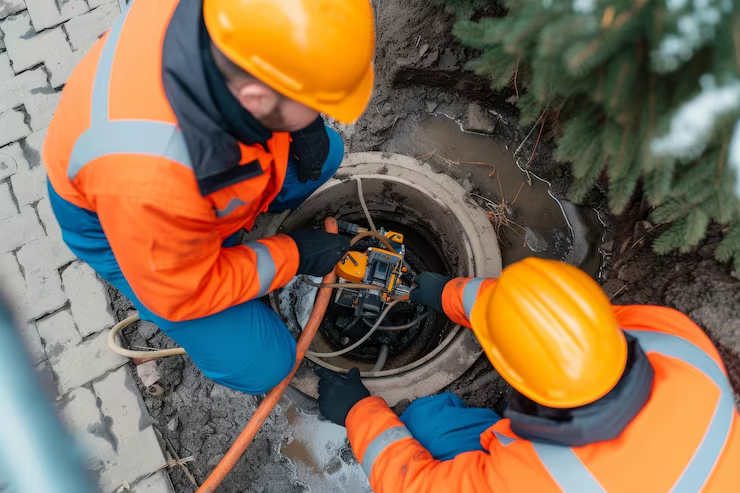
Our goal is to help Coral Springs property owners understand their plumbing problem and choose an appropriate solution based on the condition of the pipe.

Protect Your Property From Further Pipe Damage

Ignoring signs of corrosion can allow a small plumbing problem to become more serious. Slow drains, repeated clogs, sewage odors, and unexplained leaks should not be overlooked, particularly in properties with older cast iron plumbing. If you suspect your pipes are deteriorating, professional Corroded Cast Iron Pipe Repair Coral Springs can help identify the issue before a larger failure occurs.

New Drain of Florida provides pipe repair and sewer solutions for property owners in Coral Springs. Contact our team to schedule an inspection and learn more about the available options for your damaged cast iron pipes.

Frequently Asked Questions

What are the signs of corroded cast iron pipes?

Common signs include slow drains, frequent clogs, sewage odors, leaking pipes, unusual drain sounds, and wastewater backups. Older plumbing systems may also develop corrosion that is not visible from outside the pipe. A camera inspection can help identify internal damage.

Can corroded cast iron pipes be repaired?

Yes, some corroded cast iron pipes can be repaired or rehabilitated. The right solution depends on the severity and location of the corrosion. Options may include localized repair, pipe lining, trenchless rehabilitation, or replacement.

When should cast iron pipes be replaced?

Replacement may be recommended when a pipe has extensive corrosion, severe structural damage, repeated failures, major cracks, or deterioration that makes rehabilitation unsuitable. An inspection can help determine whether repair or replacement is more appropriate.

Is trenchless cast iron pipe repair available in Coral Springs?

Trenchless repair may be an option for certain cast iron pipes. Methods such as CIPP pipe lining can rehabilitate some damaged underground pipes while reducing the need for extensive excavation. However, the condition and configuration of the existing pipe must be evaluated first.

How can I find out if my sewer pipe is corroded?

A professional sewer camera inspection is one way to examine the inside of a sewer pipe. The camera can help identify corrosion, cracks, roots, blockages, and other problems. After the inspection, a professional can explain the condition of the pipe and discuss potential repair options.

Read more
Cracked Sewer Pipe Repair Boynton Beach

Cracked Sewer Pipe Repair Boynton Beach | Fast & Reliable Repair

A cracked sewer pipe can quickly become a serious plumbing problem for homeowners and businesses. Small cracks may begin with slow drains, unpleasant odors, or occasional backups, but the damage can become worse if it is ignored. When you need Cracked Sewer Pipe Repair Boynton Beach, getting professional help early can prevent more extensive damage and costly repairs.

At New Drain of Florida, we provide reliable sewer solutions for properties in Boynton Beach. Our team can inspect your sewer system, identify the cause of the problem, and recommend a repair option based on the condition of your pipes.

Cracked Sewer Pipe Repair

What Causes a Cracked Sewer Pipe?

Sewer pipes are designed to last for many years, but several problems can eventually cause cracks or breaks. Understanding the common causes can help property owners recognize problems early.

Aging Sewer Pipes

Older sewer pipes can weaken over time. Materials may deteriorate, develop cracks, or become more vulnerable to pressure from surrounding soil.

Tree Root Intrusion

Tree roots naturally search for water. Even a small crack or joint in a sewer pipe can allow roots to enter. As the roots grow, they can restrict wastewater flow and make existing damage worse.

Shifting Soil

Changes in the soil around a property can put pressure on underground pipes. Soil movement, erosion, or settling can cause sewer lines to bend, crack, or separate at their joints.

Corrosion and Pipe Deterioration

Some older sewer pipes are more susceptible to corrosion and general deterioration. As the pipe material becomes weaker, cracks and leaks may develop.

Heavy Pressure

Vehicles, construction, landscaping work, and other heavy loads above underground sewer lines can sometimes contribute to pipe damage, especially when the existing pipe is already weakened.

Signs You May Have a Cracked Sewer Line

A cracked sewer line does not always produce an obvious problem immediately. Watch for warning signs that may indicate the need for sewer line repair Boynton Beach.

Common signs include:

  • Frequently slow drains
  • Repeated sewer backups
  • Unpleasant sewage odors
  • Gurgling sounds from toilets or drains
  • Wet or unusually green areas in the yard
  • Sewage pooling around the property
  • Multiple drains becoming slow at the same time
  • Unexplained changes in water or sewer usage

If several fixtures are experiencing drainage problems at once, the issue may be deeper in the main sewer line rather than with an individual drain.

Cracked Sewer Pipe Repair

Professional Sewer Camera Inspection in Boynton Beach

Finding the exact location and severity of a sewer problem can be difficult without inspecting the inside of the pipe. A sewer camera inspection Boynton Beach service allows professionals to examine the sewer line without immediately digging up the property.

A small inspection camera can travel through the sewer pipe and provide a view of its interior. This can help identify:

  • Cracks and fractures
  • Broken or separated pipe sections
  • Tree root intrusion
  • Blockages
  • Corrosion
  • Collapsed sections
  • Pipe joints that have shifted
  • Other signs of damage

The inspection results help determine whether repair, lining, or replacement is appropriate for the property.

Cracked Sewer Pipe Repair Options

Every sewer problem is different. The right solution depends on the pipe material, location, extent of damage, and overall condition of the sewer line.

Traditional Sewer Pipe Repair

Traditional repair may involve accessing the damaged section of the pipe, removing the damaged material, and installing a new section. This approach can be useful when a specific portion of the sewer line is severely damaged.

Trenchless Sewer Repair

Trenchless sewer repair Boynton Beach can provide an alternative to extensive excavation in suitable situations. Instead of digging a large trench across the property, trenchless techniques can allow repairs to be completed through limited access points. This approach can reduce disruption to landscaping, driveways, patios, and other surfaces.

Sewer Pipe Lining

Sewer pipe lining Boynton Beach is another trenchless repair method that may be suitable for certain damaged pipes. A resin-coated liner is installed inside the existing pipe and cured to form a new pipe within the old one. Pipe lining can be useful for certain cracks, leaks, and structural problems when the existing pipe is suitable for the process.

Sewer Pipe Replacement

When a sewer line is severely damaged, collapsed, or beyond practical repair, sewer pipe replacement Boynton Beach may be necessary. Replacement removes the damaged pipe and installs a new sewer line. A professional inspection can help determine whether repair or complete replacement makes more sense.

Why Prompt Sewer Repair Matters

Ignoring a cracked sewer pipe can allow a relatively small problem to become more complicated. Wastewater may leak into the surrounding soil, while continuing root intrusion or soil movement can increase pipe damage. A damaged sewer line can also lead to repeated backups, unpleasant odors, property damage, and disruptions to your home or business.

Prompt sewer pipe repair Boynton Beach can help identify the problem before it becomes more extensive. If you notice repeated drainage issues or signs of a cracked sewer line Boynton Beach, consider arranging a professional inspection.

Emergency Sewer Pipe Repair in Boynton Beach

Some sewer problems cannot wait. A major backup, sewage overflow, or severely damaged line can interfere with normal use of your property. Emergency sewer pipe repair Boynton Beach may be necessary when wastewater is backing up into the building, sewage is overflowing, or the main sewer line has suffered significant damage.

If you experience a serious sewer emergency, limit water use until the problem can be assessed. Contact a professional sewer repair company to determine the cause and appropriate next step.

Cracked Sewer Pipe Repair

Why Choose New Drain of Florida?

New Drain of Florida provides professional drainage and sewer solutions for customers in Boynton Beach. Our approach focuses on identifying the actual cause of the problem before recommending a repair. Depending on the situation, our services may include sewer inspections, damaged sewer pipe repair Boynton Beach, broken sewer pipe repair Boynton Beach, trenchless solutions, pipe lining, and sewer pipe replacement.

We aim to provide practical solutions that address the current problem while helping property owners understand the condition of their sewer system.

Protect Your Property From Sewer Pipe Problems

A cracked sewer pipe should not be ignored. Early warning signs such as slow drains, sewage odors, backups, and wet areas around your property can indicate a problem beneath the surface. Whether you need a cracked sewer line Boynton Beach inspection, sewer repair, trenchless service, or replacement, professional diagnosis is an important first step.

If you suspect your sewer pipe is cracked or damaged, New Drain of Florida can help identify the problem and explain the available repair options for your Boynton Beach property.

Frequently Asked Questions

What are the signs of a cracked sewer pipe in Boynton Beach?

Common signs include slow drains, repeated sewer backups, sewage odors, gurgling toilets, wet areas in the yard, and multiple drains becoming slow at the same time. A professional sewer camera inspection can help confirm whether the sewer pipe is cracked.

How is a cracked sewer pipe repaired?

The repair method depends on the location and severity of the damage. Options may include traditional sewer repair, trenchless sewer repair, sewer pipe lining, or complete sewer pipe replacement.

Can trenchless sewer repair fix a cracked sewer pipe?

In suitable cases, trenchless sewer repair can address certain cracks and other sewer pipe problems without requiring extensive excavation. A sewer camera inspection can help determine whether the existing pipe is appropriate for a trenchless method.

When does a cracked sewer pipe need to be replaced?

Replacement may be recommended when a pipe is severely damaged, collapsed, extensively deteriorated, or cannot be effectively repaired. A professional inspection can help determine whether repair or replacement is appropriate.

How can I find out where my sewer pipe is cracked?

A sewer camera inspection is one way professionals can locate cracks and other problems inside a sewer line. The camera provides a view of the pipe’s interior and can help identify the location and type of damage before repair work begins.

Read more
Tree Roots

Tree Roots in Sewer Line Boca Raton | Root Removal & Repair

Tree roots can cause serious problems when they grow into underground sewer pipes. What starts as a small root entering a pipe joint can eventually become a major blockage, leading to slow drains, sewage backups, unpleasant odors, and pipe damage. If you are dealing with Tree Roots in Sewer Line Boca Raton, finding the problem early can help prevent expensive repairs.

At New Drain of Florida, we help homeowners and businesses identify sewer line problems and choose the right repair solution. Our team can inspect damaged pipes, locate root intrusion, remove blockages, and recommend appropriate sewer line repair options in Boca Raton.

trenchless pipe lining

What Causes Tree Roots to Enter Sewer Lines?

Trees naturally search for water and nutrients as they grow. Underground sewer pipes can provide both, especially when a pipe has a small crack, loose joint, or damaged connection. Over time, roots can find these openings and grow inside the pipe. This process is known as tree root intrusion sewer line Boca Raton.

Once inside, roots continue to grow and spread. They can catch toilet paper, grease, waste, and other materials flowing through the pipe. The blockage can gradually become larger until wastewater has difficulty passing through the sewer line. Older sewer systems and pipes with damaged joints may be especially vulnerable to root intrusion.

Signs of Tree Roots in Sewer Line Boca Raton

Recognizing the warning signs can help you address the problem before it becomes an emergency. Common symptoms include:

  • Slow-draining sinks, showers, or tubs
  • Toilets that frequently clog
  • Gurgling sounds from drains
  • Sewage odors around drains or outside
  • Repeated sewer backups
  • Water backing up into showers or bathtubs
  • Multiple drains becoming slow at the same time
  • Unusually wet or lush areas in the yard
  • Recurring drain blockages despite regular cleaning

If the same drain keeps clogging after cleaning, there may be a deeper problem. Tree roots blocking sewer line Boca Raton properties can require professional inspection rather than repeated surface-level drain cleaning.

How Tree Roots Damage Sewer Pipes

Roots do not usually break through a completely intact, strong sewer pipe simply because they are growing nearby. More commonly, they enter through existing weak points such as cracks, separated joints, or damaged connections. After entering the pipe, the roots can become thicker and more widespread. This can restrict the flow of wastewater and place additional stress on the damaged section.

Eventually, the affected pipe may require tree root sewer line repair Boca Raton services or, depending on its condition, replacement.

Sewer Line Inspection Boca Raton

Before deciding how to repair a sewer problem, it is important to understand what is happening inside the pipe. A sewer line inspection Boca Raton service can help locate blockages, cracks, root intrusion, and other problems.

A professional inspection may use specialized equipment to examine the inside of the sewer line without digging up the entire yard.

Sewer Camera Inspection Boca Raton

A sewer camera inspection Boca Raton service uses a small waterproof camera attached to a flexible cable. The camera travels through the sewer pipe and sends images back to a monitor.

This allows technicians to identify issues such as:

  • Tree root intrusion
  • Cracked or broken pipes
  • Separated pipe joints
  • Heavy buildup
  • Blockages
  • Damaged sections
  • Potential pipe collapse

Camera inspection can also help determine the location and severity of the problem. This information makes it easier to select an appropriate repair method.

Best Sewer Pipe Video Inspection Parkland

Sewer Root Removal Boca Raton

When roots are blocking a sewer line, professional sewer root removal Boca Raton services can clear the obstruction and restore wastewater flow. The appropriate method depends on the condition and size of the blockage. Mechanical root cutting may be used to remove roots from inside the pipe. In other situations, high-pressure water can help clean the pipe walls and remove buildup.

However, removing the roots does not always fix the underlying problem. If roots entered through a damaged section of pipe, that damaged section may still need repair.

Hydro Jetting Tree Roots Boca Raton

Hydro jetting tree roots Boca Raton services use high-pressure water to clean the inside of sewer pipes. The water can remove grease, debris, mineral buildup, and some root growth from the pipe.

Hydro jetting can be useful when a sewer line has significant buildup or recurring blockages. However, it should be performed by trained professionals because excessive pressure or improper use can damage certain types of pipes.

An inspection can help determine whether hydro jetting is suitable for the sewer line.

Tree Root Removal From Sewer Line Boca Raton

Professional tree root removal from sewer line Boca Raton properties should focus on both the immediate blockage and the condition of the pipe. Simply cutting roots may restore flow temporarily, but roots can grow back if the entry point remains damaged. That is why inspection is an important part of the process.

Depending on the findings, your technician may recommend cleaning, repair, pipe lining, or replacement.

Sewer Line Repair Options

The right solution depends on the age, material, location, and condition of the sewer pipe.

Traditional Sewer Line Repair

Traditional repair involves excavating the ground to reach the damaged section of pipe. The damaged portion can then be repaired or replaced. This approach may be appropriate when a pipe has severe structural damage or when excavation is necessary for other reasons.

Trenchless Sewer Repair Boca Raton

Trenchless sewer repair Boca Raton methods can sometimes repair or rehabilitate underground pipes without requiring a large excavation. Depending on the situation, trenchless solutions may include pipe lining or other rehabilitation methods. These approaches can reduce the amount of digging needed around landscaping, driveways, and other surfaces.

Sewer Line Repair Boca Raton

For significant damage caused by root intrusion, sewer line repair Boca Raton services may be necessary. A professional assessment can help determine whether the pipe can be repaired or whether replacement is more appropriate. At New Drain of Florida, the goal is to identify the actual cause of the problem and recommend a solution based on the condition of the sewer system.

Tree Roots in Sewer Line

How to Prevent Future Root Problems

You cannot always prevent tree roots from growing near underground pipes, but regular maintenance can help reduce the risk of major blockages.

Consider:

  • Scheduling periodic sewer inspections for older systems
  • Addressing recurring drain problems early
  • Avoiding flushing materials that can cause blockages
  • Having sewer lines professionally cleaned when needed
  • Monitoring trees located close to underground sewer lines
  • Repairing damaged pipes before roots become a major problem

Early attention can help prevent a small pipe issue from becoming a major sewer emergency.

Why Choose New Drain of Florida?

When you have Tree Roots in Sewer Line Boca Raton, you need more than a temporary fix. The cause of the blockage should be identified so you can make an informed decision about the next step. New Drain of Florida provides professional sewer and drain services for homeowners and businesses in Boca Raton. From sewer camera inspections and root removal to sewer line repair and trenchless solutions, our team can help identify the problem and determine an appropriate solution.

If you are experiencing repeated backups, slow drains, or signs of root intrusion, contact New Drain of Florida for professional assistance.

Get Help With Tree Roots in Sewer Line Boca Raton

Tree root intrusion can turn a small sewer problem into a major blockage if it is ignored. Professional inspection can help identify the location and severity of root growth and determine whether cleaning, root removal, repair, or replacement is needed.

If you are experiencing Tree Roots in Sewer Line Boca Raton, New Drain of Florida can help you identify the problem and explore the appropriate solution for your property. Contact our team to schedule professional sewer and drain service in Boca Raton.

Frequently Asked Questions

How do I know if I have tree roots in my sewer line?

Common signs include recurring drain clogs, slow drains, sewage backups, gurgling sounds, and unpleasant sewer odors. A professional sewer camera inspection can confirm whether roots have entered the pipe.

Can tree roots completely block a sewer line?

Yes. As roots grow inside a pipe, they can collect toilet paper, grease, and other debris. Over time, this combination can significantly restrict or completely block wastewater flow.

How are tree roots removed from a sewer line?

Depending on the condition of the pipe, professionals may use mechanical root cutting or hydro jetting to remove roots and clear the blockage. A camera inspection can help determine which approach is suitable.

Will removing tree roots permanently fix my sewer line?

Not necessarily. Root removal can clear the immediate blockage, but if roots entered through a crack or damaged joint, the underlying pipe problem may remain. Repair or pipe rehabilitation may be needed to reduce recurring root intrusion.

Can trenchless sewer repair fix a sewer line damaged by tree roots?

In some cases, yes. Trenchless sewer repair Boca Raton methods can be used to rehabilitate certain damaged pipes without extensive excavation. The appropriate method depends on the pipe’s condition, material, location, and extent of damage.

Read more
Sewer Line Repair Pompano Beach

Sewer Line Repair: Signs of a Damaged Sewer Pipe and What to Do

A sewer line plays an important role in every property’s plumbing system. It carries wastewater away from the building and into the appropriate sewer system. Because most sewer lines are underground, problems can sometimes continue unnoticed until they become serious. A slow drain may seem like a minor inconvenience. But when several drains become slow, toilets begin backing up, or sewage odors appear, there may be a problem with the main sewer line. Understanding the warning signs can help property owners arrange sewer line repair Pompano Beach before a small problem becomes a larger plumbing emergency.

For property owners in Pompano Beach, New Drain of Florida can help evaluate sewer problems and identify possible repair solutions.

Sewer Line Repair

What Is Sewer Line Repair?

Sewer line repair involves fixing damaged or malfunctioning sections of an underground sewer pipe. The appropriate repair method depends on the condition and location of the pipe. Some problems may be resolved through cleaning, while others may require pipe repair or replacement.

Potential causes of sewer problems include:

  • Cracked pipes
  • Corrosion
  • Pipe separation
  • Ground movement
  • Aging infrastructure
  • Collapsed pipes
  • Heavy buildup

A professional inspection can help determine what is actually happening inside the sewer line.

Signs You May Need Sewer Line Repair Pompano Beach

Recognizing warning signs early can help reduce the risk of a major backup.

Multiple Slow Drains

If several drains throughout the property become slow at approximately the same time, the problem may be farther down the plumbing system.

Frequent Backups

Repeated sewage backups can point to persistent blockages, damaged pipes, or deeper sewer issues that standard drain cleaning may not fully resolve.

Unpleasant Sewage Odors

Lingering sewage odors near drains, bathrooms, or outdoor areas may indicate cracked pipes, leaks, or sewer gas escaping from the plumbing system.

Gurgling Toilets

Gurgling toilets or unusual drain sounds may indicate trapped air, blockages, or sewer line problems that are interfering with normal wastewater flow.

Wet Areas in the Yard

Unexpectedly wet soil or unusually green grass above a sewer line may indicate an underground leak caused by cracked, broken, or damaged pipes.

Problems That Keep Returning

If plumbing issues repeatedly return after cleaning, an underlying sewer line problem may require professional inspection to identify the cause and prevent recurring disruptions.

What Causes Sewer Pipe Problems?

There is no single cause of sewer damage.

  • Tree Roots:  Tree roots naturally search for water. If they find a small opening in a sewer pipe, they may grow into it and cause blockages or damage.
  • Aging Pipes: Older pipes can deteriorate over time. Materials that were commonly used decades ago may eventually develop cracks, corrosion, or other problems.
  • Ground Movement: Changes in soil conditions can put stress on underground pipes.
  • Poor Connections: Separated or damaged pipe joints can allow leaks, debris, or roots to enter the sewer system.
  • Heavy Blockages: Grease, debris, and other materials can restrict wastewater flow.

Trenchless Sewer Repair Pompano Beach

Why Professional Diagnosis Matters

A sewer problem cannot always be diagnosed accurately from the symptoms alone. For example, a backup could be caused by a simple blockage, root intrusion, or a damaged pipe. These situations may require completely different solutions.

A professional may use a camera inspection to look inside the sewer line before recommending sewer line repair Pompano Beach. This approach can help prevent unnecessary work and make sure the recommended solution addresses the actual problem.

Sewer Repair vs. Sewer Replacement

Repair and replacement are not always the same thing. A localized problem may sometimes be repaired without replacing the entire sewer line. In other cases, the pipe may be too severely damaged or deteriorated, making replacement a more appropriate option.

Modern trenchless technology may also provide an alternative to traditional excavation in suitable situations. Property owners should ask what options are available based on the condition of their particular sewer system.

Why Prompt Repair Matters

Ignoring sewer problems rarely makes them disappear. A small crack can potentially become larger. Root intrusion can increase over time. A partial blockage can eventually become a complete blockage.

Delaying sewer line repair Pompano Beach can also increase the possibility of:

  • Wastewater backups
  • Property damage
  • Unpleasant odors
  • Landscape damage
  • Plumbing disruptions
  • More complicated repairs

This does not mean every minor drainage problem requires immediate sewer replacement. It means recurring symptoms should be properly evaluated.

Sewer Problems in Pompano Beach

Properties in Pompano Beach can have a wide variety of plumbing systems, pipe materials, property layouts, and underground conditions. That means there is no single repair method that works for every property.

If you are searching for Sewer System Repair Pompano Beach, look for a company that can diagnose the problem before recommending a solution. The goal should be to identify the source of the sewer problem and select an appropriate repair strategy.

How New Drain of Florida Can Help

New Drain of Florida works with property owners dealing with drainage and sewer concerns. If you notice recurring backups, multiple slow drains, sewage odors, or other warning signs, professional evaluation can help determine whether the issue is a simple blockage or something more serious.

The sooner the cause is identified, the easier it can be to make an informed decision about the next step.

Final Thoughts

Sewer systems are easy to ignore when everything is working properly. But because sewer pipes are usually underground, problems can become significant before property owners know exactly what is happening. Understanding the warning signs can help you respond sooner.

Professional sewer line repair Pompano Beach may be necessary when a pipe has structural damage, root intrusion, or another serious problem. However, inspection should come first so the right solution can be selected. For property owners looking for Sewer System Repair Pompano Beach, working with an experienced local plumbing company such as New Drain of Florida can help you understand the condition of your sewer system and explore the available repair options.

FAQs

What are the most common signs of a damaged sewer line?

Common signs include recurring backups, multiple slow drains, sewage odors, gurgling fixtures, wet yard areas, and repeated blockages.

Can a clogged drain mean I need sewer line repair?

Not always. A single clogged drain may be a localized problem. Recurring or widespread drainage problems may require further sewer inspection.

How do professionals find sewer pipe damage?

A sewer camera can be used to inspect the inside of the pipe and identify blockages, roots, cracks, collapsed sections, and other problems.

Is sewer repair better than sewer replacement?

It depends on the pipe’s condition. Some problems can be repaired, while severely damaged pipes may require replacement.

How quickly should a sewer problem be addressed?

Recurring backups, sewage odors, and other persistent warning signs should be professionally evaluated rather than repeatedly ignored. Early diagnosis may help prevent a more serious problem.

Read more
Sewer Camera Inspection

Sewer Camera Inspection: How Professionals Find Hidden Pipe Problems

Many plumbing problems are easy to see. A dripping faucet, overflowing toilet, or leaking pipe can usually be identified without specialized equipment. Sewer line problems are different. Most sewer pipes are underground, which means property owners cannot see their condition simply by looking at the plumbing fixtures inside a building. This is where sewer camera inspection Pompano Beach becomes useful. A specialized camera can travel through the sewer line and provide a visual view of what is happening inside the pipe.

For property owners in Pompano Beach, this technology can help identify the cause of recurring drainage problems before deciding whether repair or replacement is needed. New Drain of Florida can help property owners understand when this type of inspection may be useful.

Sewer Camera Inspection

What Is a Sewer Camera Inspection?

A sewer camera inspection uses a small waterproof camera attached to a flexible cable. The camera is inserted into an accessible portion of the sewer system and moved through the pipe. A technician can view the interior of the line on a monitor.

This allows the professional to look for problems that may otherwise remain hidden underground.

What Can a Sewer Camera Find?

A sewer camera can help identify several types of sewer problems.

  • Tree Root Intrusion: Roots can enter sewer pipes through small cracks or joints. As they grow, they can restrict water flow and contribute to recurring blockages.
  • Cracked Pipes: A damaged pipe may have cracks caused by age, ground movement, corrosion, or other factors.
  • Collapsed Pipes: A severely damaged pipe can partially or completely collapse, restricting wastewater flow.
  • Blockages: The camera may help identify the location and nature of a blockage.
  • Pipe Separation: Older sewer systems may develop separated or misaligned pipe sections.
  • Corrosion: Some older pipes can deteriorate over time and lose structural strength.

Signs You May Need a Sewer Inspection

You may want to consider professional inspection if you experience:

  • Repeated sewer backups
  • Multiple slow drains
  • Persistent sewage odors
  • Gurgling toilets
  • Recurring blockages
  • Unexplained wet areas
  • Problems that return shortly after drain cleaning

One slow drain does not necessarily indicate a damaged sewer line.

However, multiple recurring symptoms can justify a deeper investigation.

Why Camera Inspection Is Better Than Guesswork

Without visual inspection, a plumbing professional may have to rely heavily on symptoms. For example, a sewer backup could be caused by a blockage, root intrusion, damaged pipe, or another issue. These problems can produce similar symptoms but require different solutions.

A camera provides valuable information about the actual condition of the pipe. That information can help a property owner make a more informed decision about whether cleaning, repair, or replacement is appropriate.

Sewer Camera Inspection

Sewer Camera Inspection Pompano Beach Before Buying a Home

A sewer line can be one of the most expensive hidden components of a property. A home may look excellent above ground while having an aging or damaged sewer line underneath. For this reason, some buyers choose to have the sewer system professionally inspected as part of their due diligence.

A camera inspection may identify problems such as:

  • Root intrusion
  • Cracked pipes
  • Old pipe materials
  • Blockages
  • Structural damage
  • Poor connections

A buyer can then use that information when discussing the property’s condition with their professionals.

How the Inspection Process Works

The exact process varies by property, but a typical sewer camera inspection Pompano Beach may involve several steps.

Step 1: Locate an Access Point

The technician identifies a suitable access point, ensuring the sewer line can be reached safely without unnecessary disruption to the property or surrounding areas.

Step 2: Insert the Camera

A specialized waterproof camera is carefully inserted into the sewer pipe, allowing technicians to examine the line without extensive digging or excavation.

Step 3: Inspect the Interior

The technician guides the camera through the sewer line while monitoring a live video feed to assess pipe conditions and locate potential concerns.

Step 4: Identify Problems

The camera inspection helps reveal blockages, cracks, root intrusion, corrosion, damaged sections, and other abnormalities that could affect proper sewer system performance.

Step 5: Recommend the Next Step

After reviewing inspection findings, the technician recommends an appropriate solution, such as cleaning, repair, continued monitoring, or complete sewer line replacement.

What Happens After a Camera Inspection?

The inspection itself is not always the final solution. Instead, it helps answer an important question:

What is actually wrong with the sewer line?

For example, a camera inspection may show that a line has heavy buildup but is structurally sound. In that situation, cleaning may be appropriate. In another case, the inspection may reveal significant structural damage.

That could lead to a discussion about sewer repair or trenchless solutions. Property owners searching for Sewer Pipe Video Inspection Pompano Beach should therefore view camera inspection as a diagnostic service that helps guide the next decision.

Sewer Camera Inspection

How New Drain of Florida Can Help

Underground plumbing problems can be difficult to understand without the right information. New Drain of Florida can help property owners investigate recurring sewer problems and understand what may be happening inside their pipes.

A professional inspection can replace guesswork with useful visual information. If you are dealing with repeated sewer backups or drainage issues, asking about a professional sewer camera inspection Pompano Beach may be a practical first step.

Final Thoughts

Sewer problems do not always announce themselves clearly. A recurring backup or slow drain may be the result of a much larger issue underground.

A sewer camera inspection in Pompano Beach gives professionals a way to see inside the pipe and identify potential problems without immediately excavating the property.

If you are considering Sewer Pipe Video Inspection Pompano Beach, professional camera inspection can help determine what is happening inside the sewer line and what solution may be appropriate.

FAQs

What is a sewer camera inspection?

It is a diagnostic service that uses a waterproof camera to view the inside of an underground sewer pipe.

What problems can a sewer camera detect?

It may identify roots, cracks, blockages, corrosion, collapsed sections, separated pipes, and other conditions.

Do I need a sewer inspection if my drains are working?

Not necessarily. However, an inspection may be useful before buying a property or when there are warning signs of hidden sewer problems.

How long does a sewer camera inspection take?

The time varies depending on the property, pipe layout, access, and condition of the sewer line.

Can a camera inspection tell me if I need sewer repair?

It can provide important information about the pipe’s condition, which helps a professional determine whether cleaning, repair, or replacement may be needed.

Read more