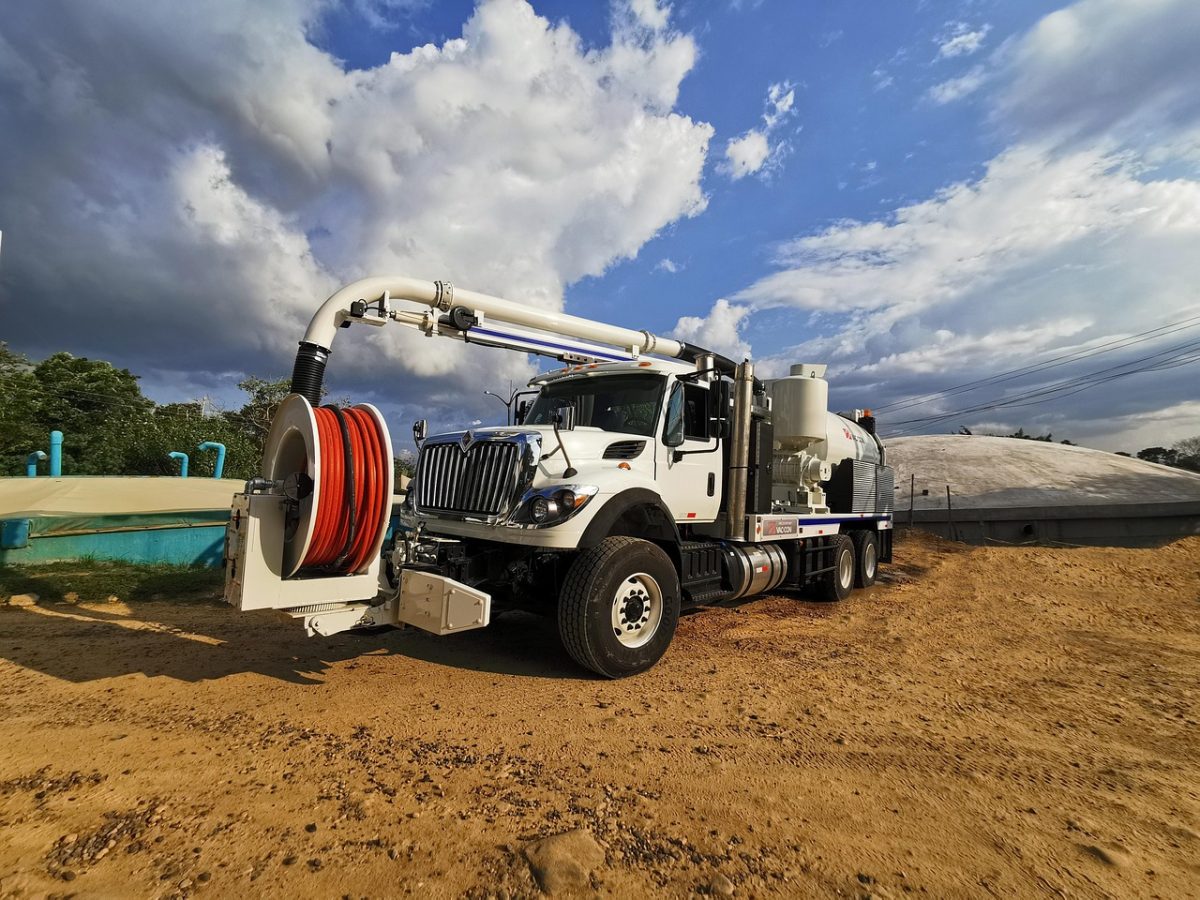
Older homes in South Florida often experience plumbing issues as sewer pipes age. Cracks, blockages, tree roots, heavy rainfall, and shifting soil can contribute to Sewer Problems South Florida property owners face. Regular inspections can help identify early warning signs, prevent costly damage, and keep sewer systems working properly.
At New Drain of Florida, we help property owners address sewer and drain concerns with professional inspection and repair solutions throughout South Florida.
Why Older Properties in South Florida Experience Sewer Problems
Many older properties have sewer systems that were installed years ago. Depending on the property’s age, pipes may be made from cast iron, clay, concrete, or other materials that can deteriorate over time. South Florida’s environment can create additional challenges. Heavy rain can put pressure on drainage systems, while tree roots may grow into small cracks in underground pipes. Moisture and corrosion can also affect certain pipe materials.
These conditions can lead to recurring Sewer Problems South Florida property owners should not ignore. Identifying the cause early can help prevent larger plumbing issues and unexpected repair expenses.
1. Corroded or Deteriorating Sewer Pipes
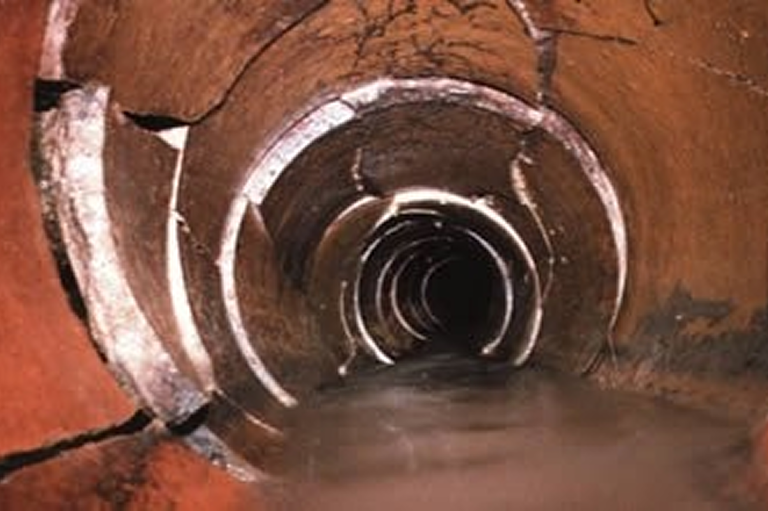
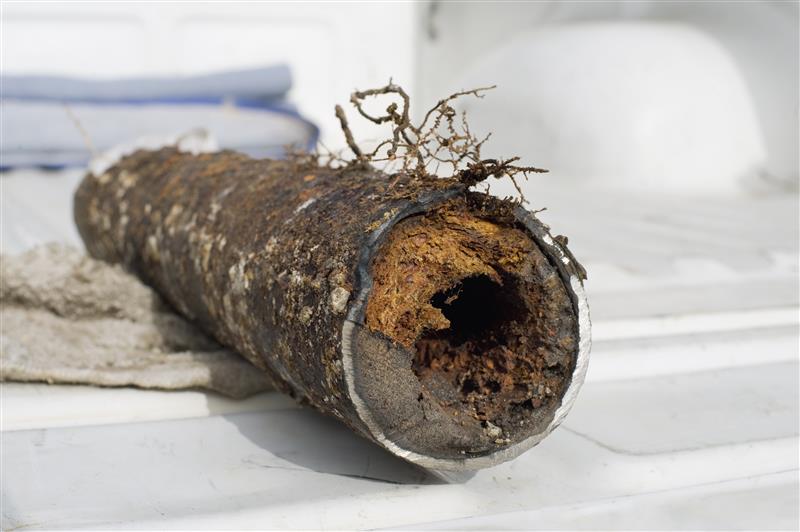
One of the most common sewer problems in older properties is pipe deterioration. Older cast-iron pipes can corrode internally, while clay pipes may crack or separate at their joints.
As pipes age, their inner surfaces can become rough, allowing grease, waste, and other debris to collect more easily. This can reduce water flow and increase the risk of recurring blockages.
Common warning signs
- Drains that empty slowly throughout the property
- Frequent clogs in sinks, tubs, or toilets
- Sewage odors near drains or around the building
- Recurring plumbing problems despite routine cleaning
A professional inspection can help determine whether the pipes need cleaning, localized repairs, or replacement. In some situations, trenchless repair methods may provide an alternative to extensive excavation.
2. Tree Roots Growing Into Sewer Lines
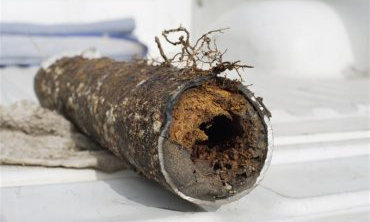
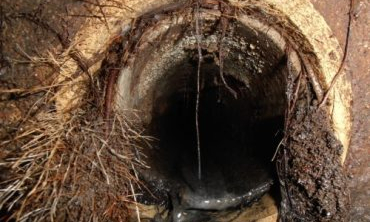
Trees add beauty and shade to South Florida properties, but their roots can cause problems for underground sewer pipes. Roots naturally seek moisture and may enter through small cracks, loose joints, or damaged pipe connections.
Once inside, roots can continue growing and collect toilet paper, waste, and other debris. This may eventually cause serious blockages or damage the pipe.
How to recognize root intrusion
You may notice repeated drain clogs, slow drainage across several fixtures, or sewage backing up into a tub or floor drain. Professional drain cleaning can sometimes remove the roots causing the blockage. However, if roots have damaged the pipe, additional repairs may be necessary to prevent the problem from returning.
3. Frequent Sewer Backups
A sewer backup occurs when wastewater cannot flow through the sewer line as it should. Instead, sewage may return through toilets, showers, bathtubs, or floor drains. A sewer backup in South Florida can result from severe blockages, damaged pipes, root intrusion, or problems farther along the sewer system. Heavy rainfall may also contribute to drainage problems in some locations, depending on the condition and design of the system.
What should you do during a sewer backup?
Stop using water-producing fixtures if wastewater is backing up into the property. Avoid direct contact with sewage because it can contain harmful microorganisms. Keep children and pets away from affected areas. Contact a qualified plumbing professional to identify the source and recommend the appropriate repair. If sewage is entering the property, prompt attention can help limit contamination and property damage.
4. Slow Drains and Repeated Blockages
Slow drains are easy to overlook, especially when the water eventually disappears. However, repeated clogs may indicate a deeper problem rather than a simple blockage in one fixture. Hair, soap residue, grease, food waste, and other materials can collect inside drainpipes. In older sewer systems, deteriorating pipe walls or root intrusion may make these blockages more frequent.
If multiple drains become slow at the same time, the main sewer line may be involved. Basic drain cleaning may resolve an isolated clog. When the problem keeps returning, a professional assessment can help identify the underlying cause instead of treating the same symptoms repeatedly.
5. Cracked, Broken, or Misaligned Sewer Pipes
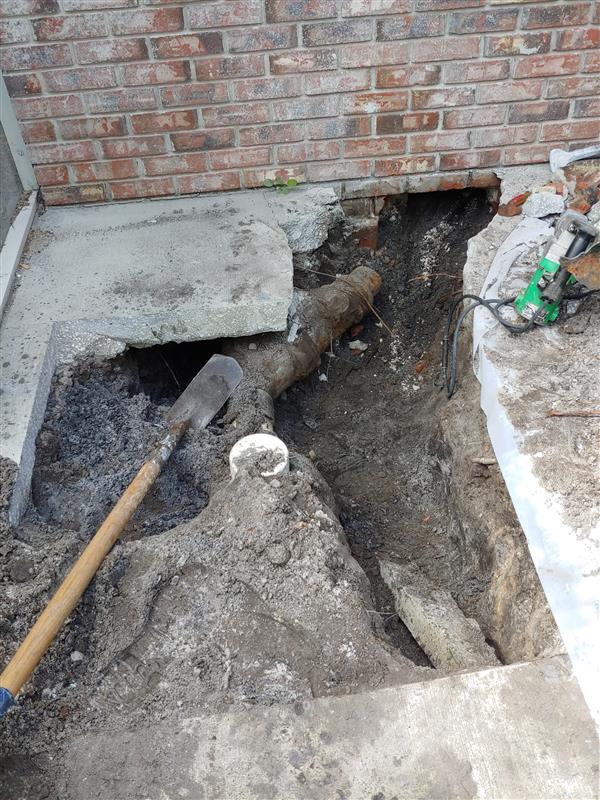
Underground sewer pipes can crack, collapse, or separate at their joints as they age. Soil movement, external pressure, root growth, and natural wear may contribute to this damage. A damaged pipe can allow wastewater to escape into the surrounding soil. Depending on the location and severity, this may cause persistent odors, wet areas in the yard, or recurring drainage problems.
Signs of a damaged sewer line
Watch for these warning signs:
- Sewage smells inside or outside the property
- Multiple drains clogging repeatedly
- Unusually wet or sunken areas in the yard
- Sewage backing up into lower-level fixtures
- Drainage issues that return after cleaning
These symptoms do not always confirm a broken sewer line, since other plumbing problems can cause similar signs. A proper inspection is needed to establish the cause.

6. Sewer Odors Inside the Property
Unpleasant sewer smells can make an older home uncomfortable and may indicate a plumbing problem. Common causes include dry drain traps, damaged pipe connections, blocked plumbing vents, or leaks in the drainage system. A drain trap normally holds water that helps prevent sewer gases from entering the building. If the trap dries out, odors may travel through the drain opening.
If the smell continues after checking rarely used drains, the problem may require professional attention. Persistent sewer odors should not be ignored, particularly when accompanied by drainage problems or visible leaks.
7. Why Sewer Camera Inspection Matters
Finding the cause of sewer line problems can be difficult because most sewer pipes are buried underground or hidden behind walls and floors. A sewer camera inspection in South Florida allows a technician to examine the inside of an accessible sewer pipe using a specialized waterproof camera. This can help locate root intrusion, cracks, buildup, blockages, and other visible defects.
Camera inspections can be especially useful in older properties because they provide information about the pipe’s condition before major repairs are considered.
The findings help a plumbing professional recommend an appropriate solution, such as drain cleaning, a targeted repair, pipe lining, or sewer line replacement. Not every damaged pipe is suitable for trenchless repair, so the condition and layout of the system must be assessed first.
8. When to Consider Sewer Line Repair in South Florida
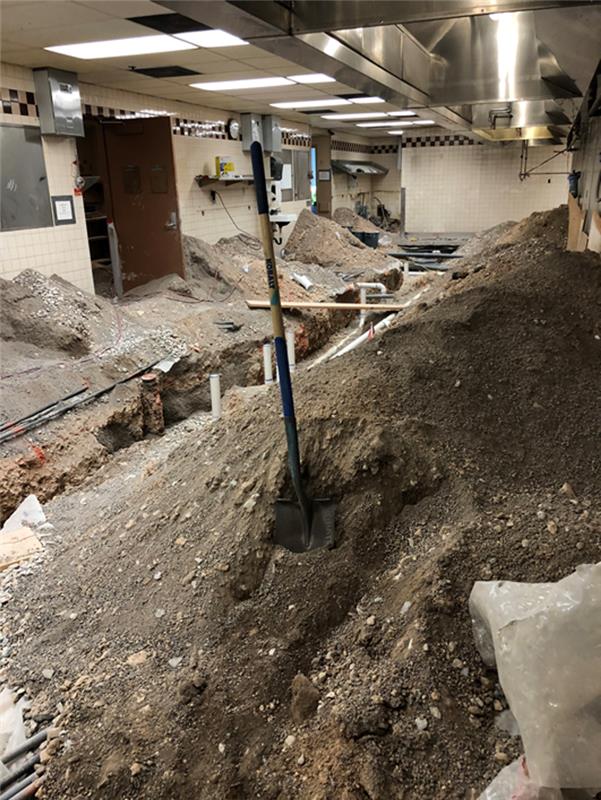
Routine cleaning may be enough for minor blockages, but structural damage usually requires a more lasting solution. Professional sewer line repair in South Florida may be necessary when pipes are cracked, severely corroded, misaligned, or repeatedly blocked by roots.
Depending on the inspection results, possible solutions include:
- Drain cleaning: Removes debris and certain types of blockages.
- Localized pipe repair: Addresses a damaged section of pipe.
- CIPP pipe lining: Creates a new lining inside a suitable existing pipe.
- Sewer line replacement: Replaces pipe sections that are too damaged to repair reliably.
Choosing the right option depends on the pipe material, damage, accessibility, and overall condition of the sewer system.
Protect Your Older Property With New Drain of Florida
Sewer and drain problems can develop gradually, making early warning signs easy to miss. Recurring clogs, sewage odors, slow drains, and unexpected backups deserve attention, especially in older South Florida properties.
New Drain of Florida provides sewer and drain solutions to help property owners investigate plumbing issues and identify suitable repair options. Professional inspections can help uncover hidden problems and guide decisions about maintenance, repair, or replacement.
If you are experiencing sewer problems in South Florida, contact New Drain of Florida to discuss your concerns and determine the next steps for your property.
Frequently Asked Questions
What are the most common sewer problems in older South Florida homes?
Common issues include corroded pipes, tree root intrusion, cracked sewer lines, clogged drains, and sewage backups. Regular inspections can help identify these problems early.
What are the signs of a damaged sewer line?
Warning signs include frequent clogs, slow drains, sewage odors, wastewater backups, and unusually wet areas in your yard.
Can heavy rain cause sewer backup in South Florida?
Yes, heavy rain can contribute to sewer backups in some areas, especially when drainage systems are overwhelmed or pipes are damaged or blocked.
How can I find hidden sewer line problems?
A sewer camera inspection helps identify cracks, blockages, root intrusion, and other pipe damage without extensive digging.
Is sewer line repair better than replacement?
Repair is suitable for localized damage, while replacement may be necessary for severely damaged pipes. A professional inspection helps determine the best solution.