
Introduction
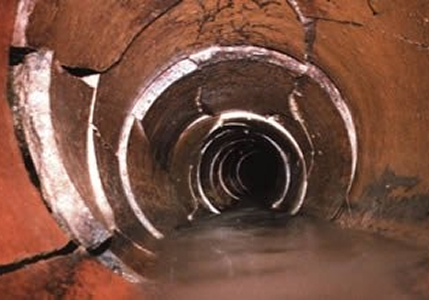
If you’ve been researching trenchless sewer repair, you’ve probably noticed something frustrating almost immediately: the price ranges are all over the place. That isn’t because contractors are being vague. It’s because trenchless sewer repair cost is driven far less by averages and far more by what’s actually happening inside your pipe—something only a camera inspection can reveal.
That uncertainty is exactly why many homeowners and property managers feel stuck. One article says trenchless sewer line repair is “cheaper than digging.” Another lists a per-foot price with no explanation. Very few explain why those numbers change—or what they actually include. And that missing context is usually what leads to bad decisions.
This guide is designed to close that gap. It explains not only typical cost ranges, but also how professionals evaluate pipes, choose between pipe lining and pipe bursting, and build legitimate estimates. You’ll see where the numbers come from, what affects them, and when trenchless methods make sense—or don’t.
By the end, you’ll know how to read estimates with confidence, avoid common pitfalls, and understand what a fair trenchless sewer repair cost actually reflects.
How Much Does Trenchless Sewer Repair Cost?
Quick answer: most residential trenchless sewer repair projects fall somewhere between the mid-four figures and low five figures [VERIFY]. Per-linear-foot pricing commonly ranges from about $80 to $250 per foot, depending on the method and scope [VERIFY].
That’s a wide range—and it’s normal. Trenchless sewer repair isn’t priced like surface-level work. Underground conditions vary dramatically, even between neighboring homes. A 40-foot sewer line with minor cracking can be far less expensive to repair than a shorter line with heavy root intrusion or structural deformation.
Another detail many cost articles overlook is what’s included. A legitimate trenchless estimate often covers more than the liner or replacement pipe itself. Camera inspection, pipe cleaning or descaling, reopening branch connections (called reinstatements), permits, and post-repair verification can all affect the total cost [VERIFY].
There’s also a practical safety consideration. Open trench excavation carries known risks, which is one reason trenchless methods are often preferred when conditions allow [VERIFY]. Reducing the need for large open trenches isn’t just about convenience—it’s about minimizing exposure to hazards.
Why this matters:
When two estimates look very different, it doesn’t automatically mean someone is overcharging. More often, it means they’re pricing different scopes of work.
What Trenchless Sewer Repair Actually Means (And What It Doesn’t)
At its core, trenchless sewer repair means fixing or replacing a sewer line without continuous open-trench excavation. Instead of digging up the entire yard, technicians access the pipe through existing cleanouts or small entry points and complete the repair from inside the line.
The two most common trenchless methods are pipe lining (CIPP) and pipe bursting. Pipe lining creates a new pipe within the existing one by curing a resin-saturated liner in place. Pipe bursting replaces the pipe entirely by fracturing the old pipe while pulling a new one through its path [VERIFY].
What trenchless does not mean is “no digging at all” or “right for every pipe.” Some excavation may still be required to create access points. Certain conditions—such as fully collapsed pipes, severe back-pitch, or unknown tie-ins—can also rule out some trenchless options.
That distinction matters. If trenchless is presented as a guaranteed solution, that’s a warning sign. Reliable recommendations start with inspection, qualification, and a clear explanation of limitations.
Trenchless Sewer Repair Cost by Method
Pipe Lining (CIPP)
Typical range: often on the lower end of trenchless options when the pipe is structurally sound [VERIFY].
Pipe lining, also known as cured-in-place pipe (CIPP), is commonly used when the existing pipe still holds its shape but has cracks, corrosion, or root intrusion. Before lining, the pipe usually needs thorough cleaning so the liner can bond and cure properly. That preparation step directly affects both cost and long-term performance.
Pipes with multiple bends or several branch connections take more time to line correctly. Each connection must be reopened after curing, and that labor adds to the total cost. This is one reason per-foot pricing alone can be misleading.
Pipe Bursting
Typical range: often higher upfront than lining [VERIFY].
Pipe bursting is typically used when the original pipe is too damaged, undersized, or deformed to be reliably lined. Because it replaces the pipe entirely, it requires more setup and access considerations. While the initial cost can be higher, it may provide a more durable long-term solution in the right scenario.
Spot or Sectional Repairs
Spot repairs address isolated sections of damage. They can be effective when problems are truly localized, but they don’t restore the condition of the entire sewer line. That tradeoff should be discussed clearly before choosing this option.
Why this matters:
If two contractors recommend different methods, their prices will differ. That doesn’t mean one is wrong—it means they’re solving different problems.
The Real Cost Drivers Most Articles Don’t Explain
Most cost guides focus on pipe length and depth. Those factors matter, but they rarely explain large price differences. The biggest cost drivers are usually related to complexity inside the pipe.
One major factor is the number and condition of branch connections. Every bathroom, kitchen, or laundry line tied into the sewer must be reopened after lining. A straight pipe with one connection is very different from a pipe with multiple offsets and tie-ins [VERIFY].
Pipe geometry also plays a role. Bends, dips, and slight misalignments affect installation speed, liner calibration, and curing consistency. In such situations, additional verification is often required to mitigate the risk of failure, which can add time and cost.
This is where many low estimates fall apart later. They don’t account for complexity upfront.
Why Per-Foot Pricing Can Be Misleading
Per-linear-foot pricing is useful for ballpark estimates. It’s a poor tool for decision-making.
Professionals typically think in terms of scope, not footage. A more accurate way to understand pricing is the Inspection-to-Scope Framework:
- Inspect the pipe with a camera
- Determine which trenchless methods the pipe qualifies for
- Define the full scope (cleaning, access points, reinstatements, permits)
- Select materials and methods based on conditions
- Price the system, not just the length
Two sewer lines of equal length can cost very different amounts to repair trenchlessly—and that’s expected.
When Trenchless Sewer Repair Is Not the Right Choice
Trenchless methods are not universal solutions. Fully collapsed pipes, severe back-pitch, or unknown tie-ins can make trenchless repair unreliable unless the scope changes. In some cases, limited excavation is the safer or more effective option.
Verification matters as well. Reputable trenchless work includes post-repair camera inspection to confirm curing, alignment, and connection quality [VERIFY]. Skipping that step reduces cost—but also accountability.
Knowing when trenchless doesn’t work is often a sign of experience, not limitation.
The Failure Cost Curve: A Smarter Way to Evaluate Price
Most people compare estimates based on today’s price. Professionals often think in terms of failure risk over time.
The Failure Cost Curve connects three variables:
- Pipe condition at the time of repair
- Method selected
- Cost of failure if the repair underperforms
The cheapest repair today often sits on the steepest part of the curve. For example, lining a severely deformed pipe may reduce upfront cost but increase the risk of premature failure. When that failure occurs, the second repair is almost always more expensive [VERIFY].
The better question isn’t “Which quote is cheaper?”
It’s “Which option reduces failure risk over the next 10–20 years?”
From Repair to Infrastructure Preservation
Trenchless sewer repair is increasingly viewed as infrastructure preservation, not just a quick fix. Instead of addressing a single defect, modern trenchless methods are often used to extend the functional life of an entire sewer system [VERIFY].
This shift affects pricing. Inspection quality, documentation, material selection, and verification are becoming part of the value—not optional add-ons. Estimates that include these steps may be higher, but they’re often designed for long-term performance rather than short-term relief.
Conclusion
Understanding trenchless sewer repair cost isn’t about memorizing price ranges. It’s about seeing how inspection, method selection, and long-term performance fit together.
Inspection determines eligibility. Eligibility determines the method. The method determines both cost and risk. That’s why per-linear-foot pricing alone is never the full story, and why two estimates can differ significantly while both remain legitimate.
Pipe lining, pipe bursting, and spot repairs each serve different purposes. The right choice depends on pipe condition, access, geometry, and verification—not marketing claims. A professional camera inspection, a clearly defined scope, and an estimate that explains why a method was chosen are far more important than chasing the lowest number.
Your sewer line may be out of sight, but it shouldn’t be out of mind. The right trenchless sewer repair cost is the one grounded in accurate diagnosis, realistic expectations, and long-term reliability. When you evaluate options through that lens, you’re no longer reacting to numbers—you’re making an informed decision with confidence.
Get a Real Trenchless Sewer Repair Cost—Not a Guess
Every sewer line is different. The only way to determine the right trenchless solution—and its true cost—is with a professional camera inspection.
New Drain of Florida specializes exclusively in trenchless sewer repair throughout South Florida. Call 1 (888) 485-1931 or visit https://newdrainfl.com to schedule an inspection and get clear, inspection-based pricing.